Last updated November 22, 2026
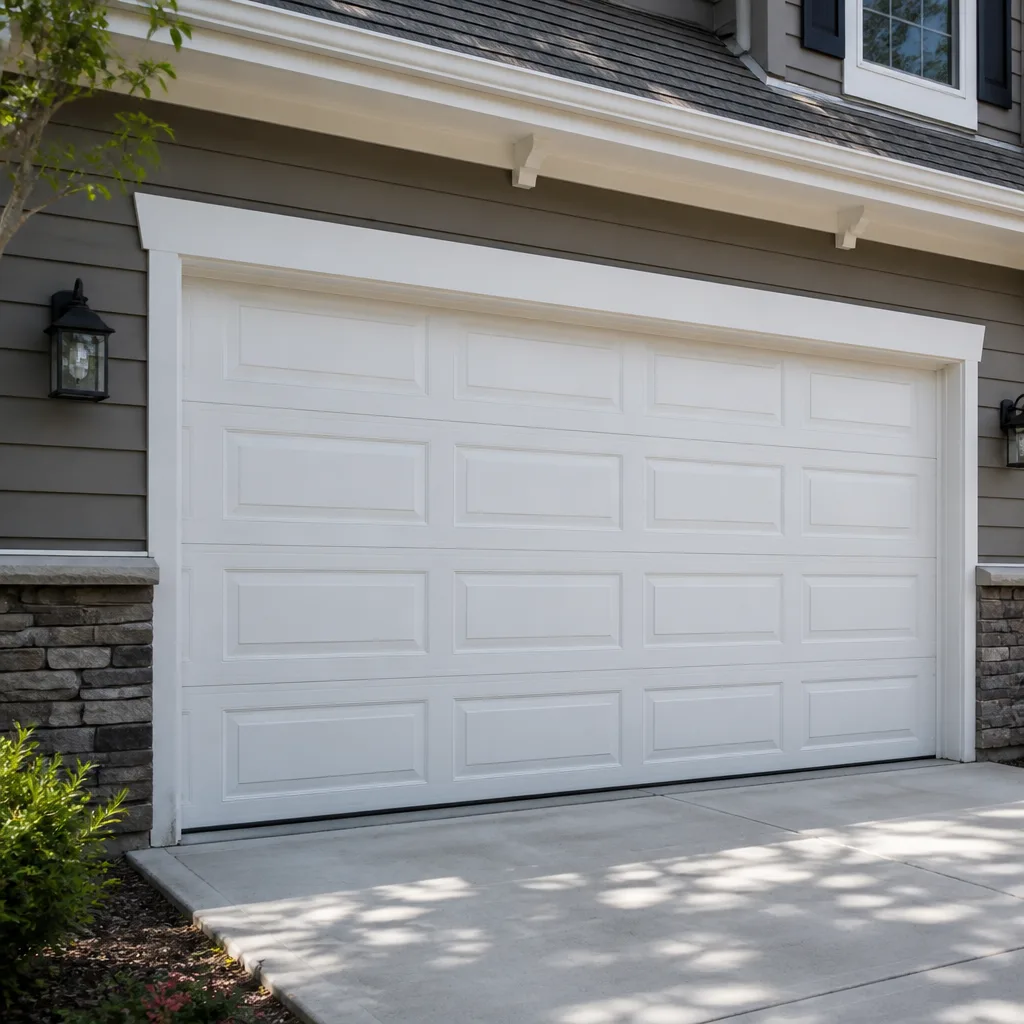 Raised-panel steel
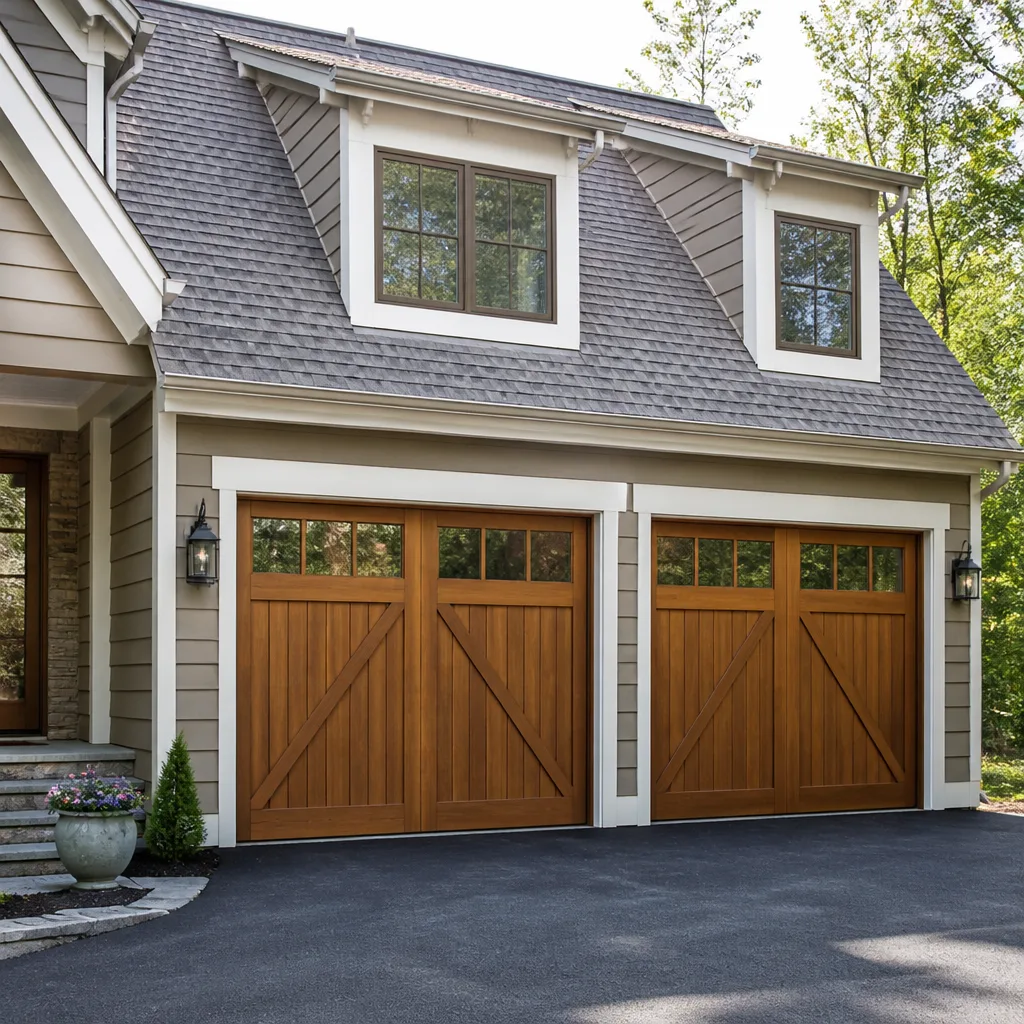 Carriage house
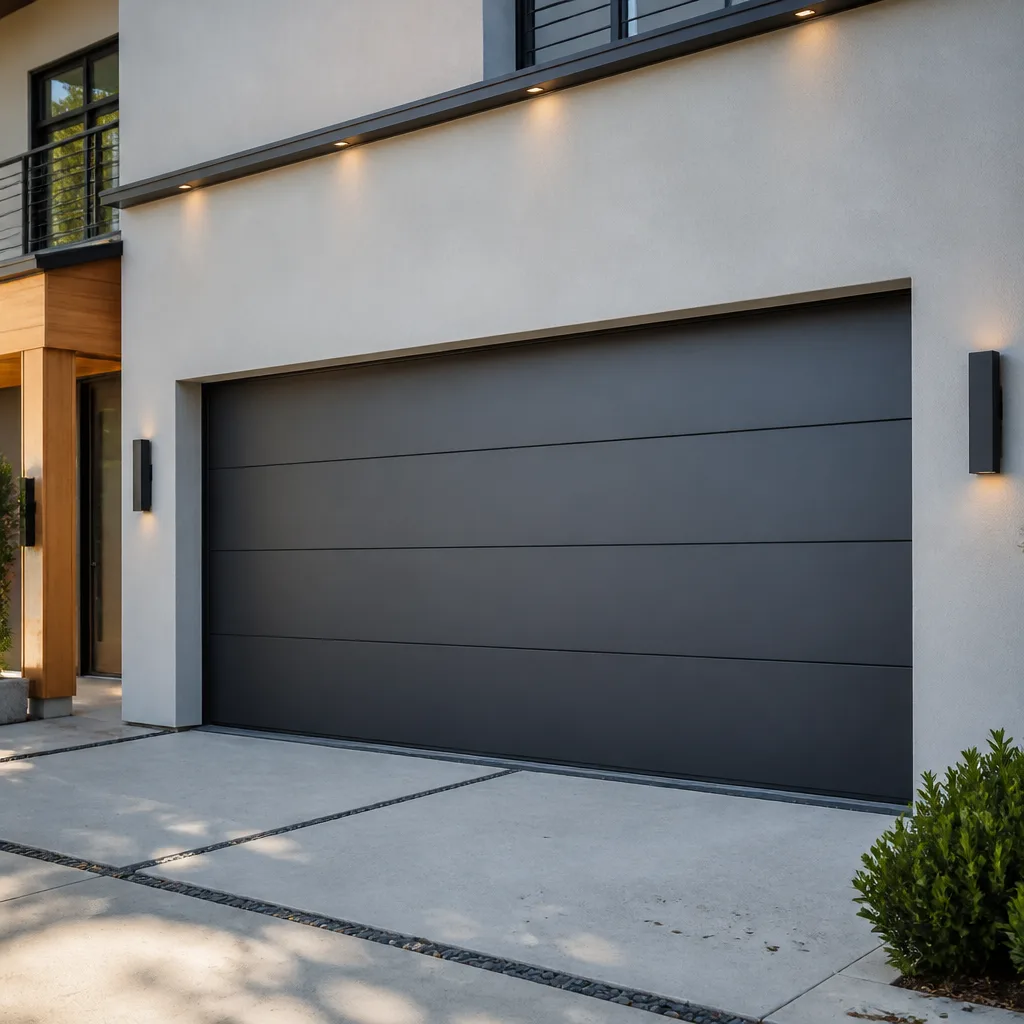 Modern flush
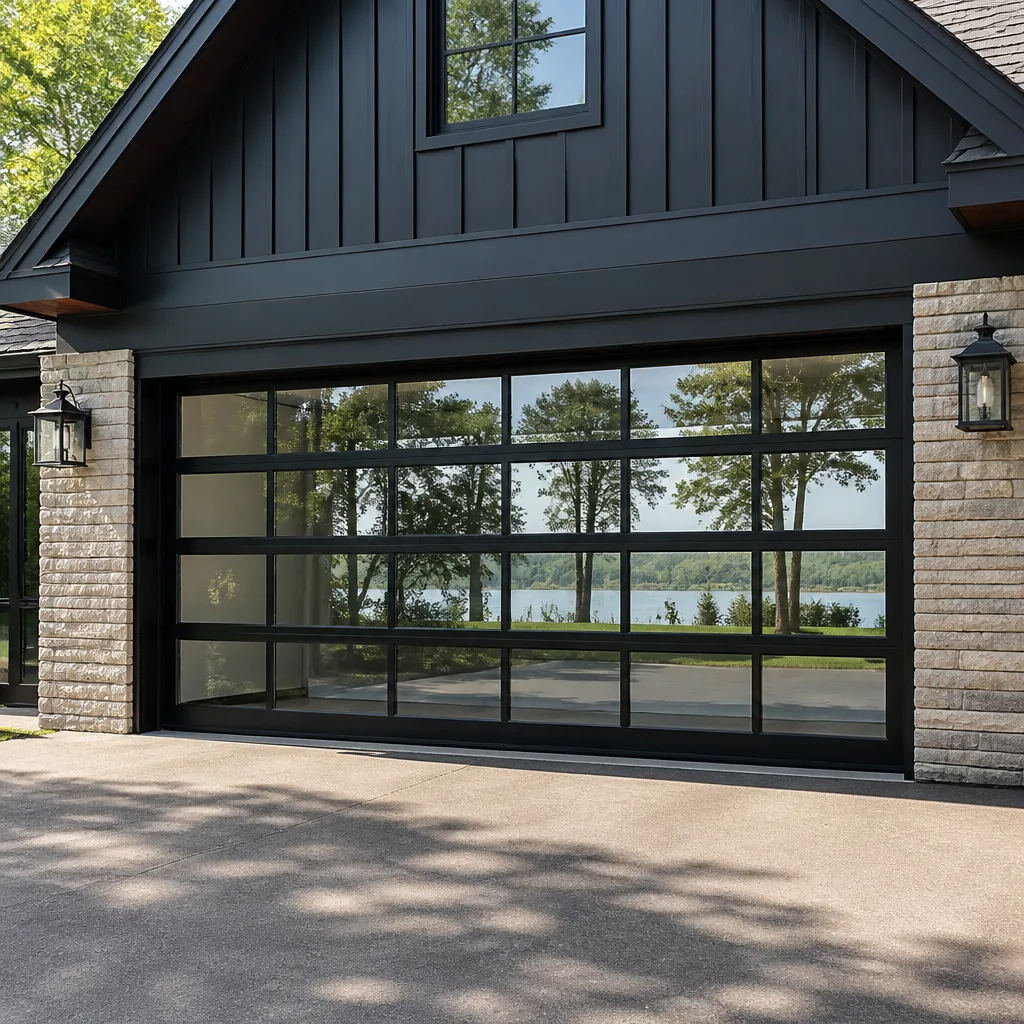 Full-view glass
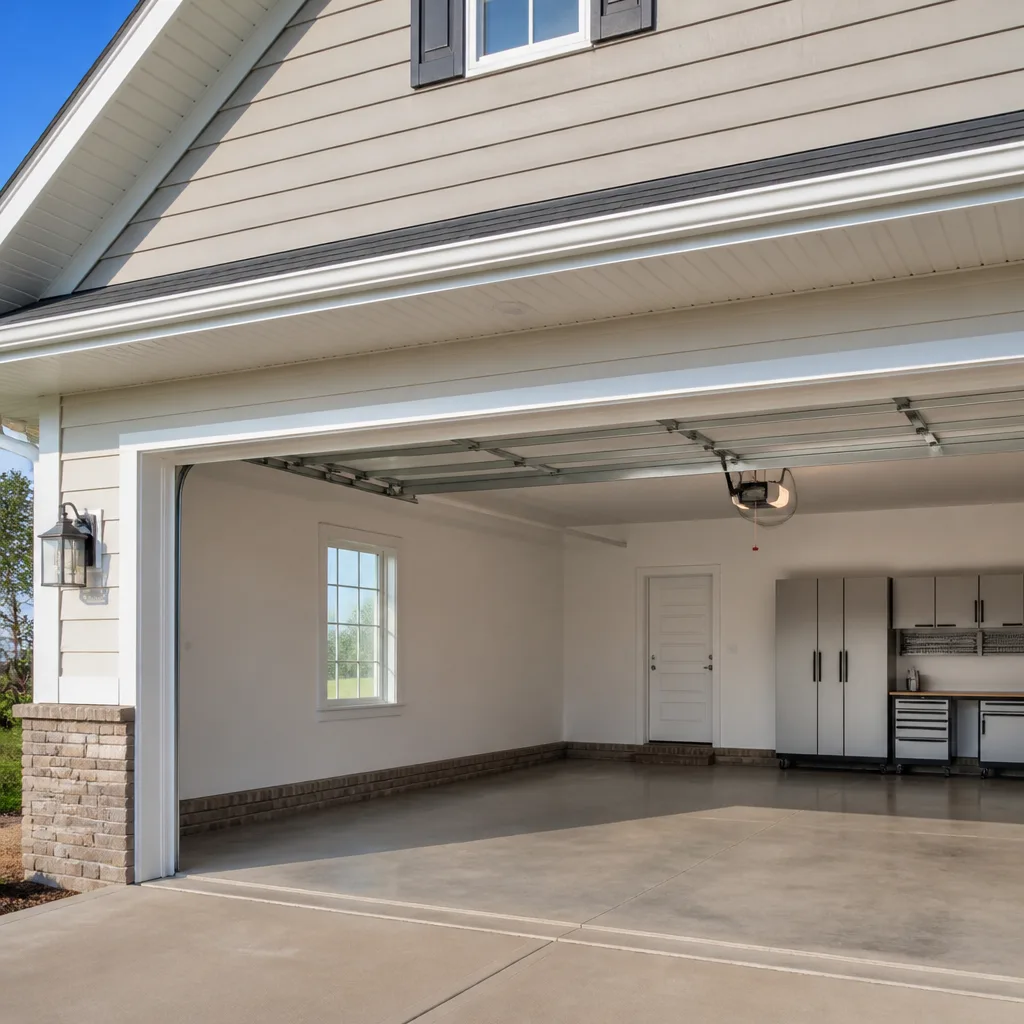 LiftMaster openers
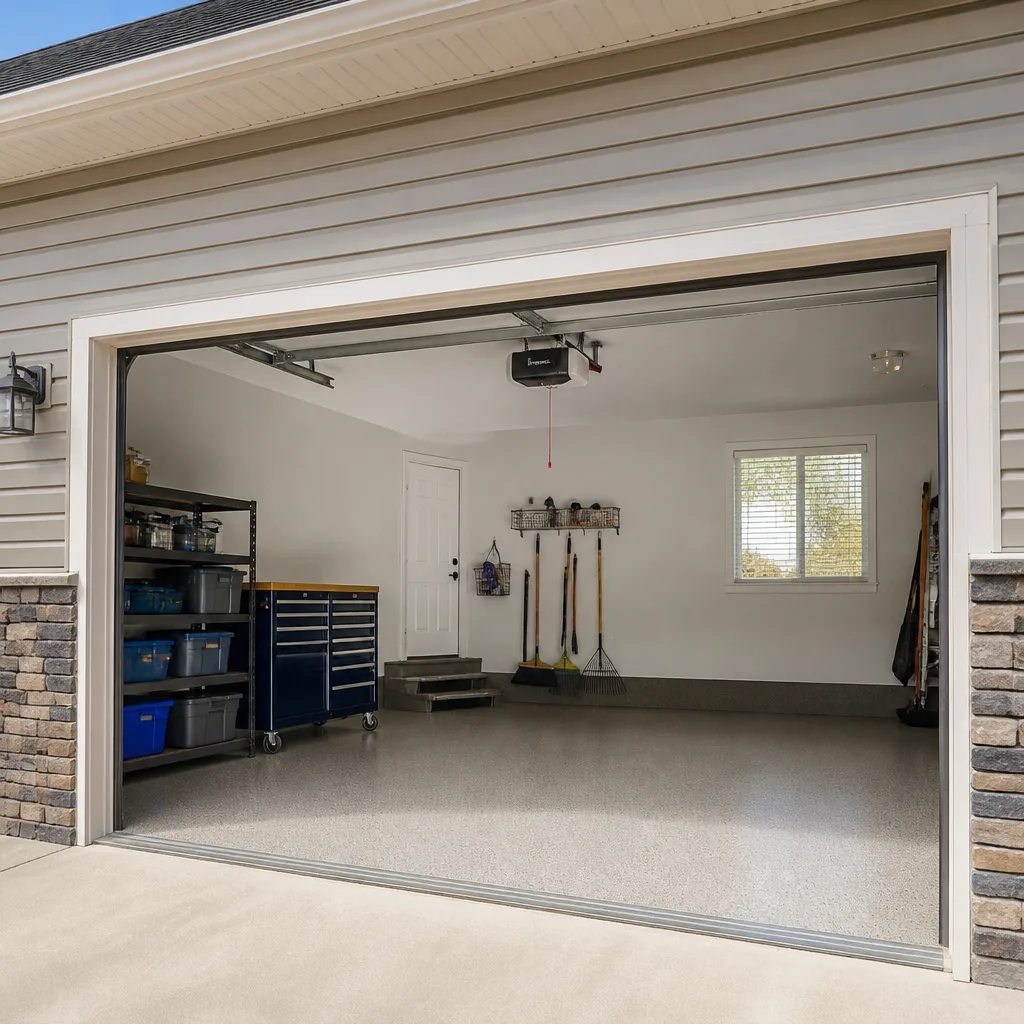 Chamberlain openers
Full 25-point door and opener safety check with every visit - springs, cables, rollers, tracks, and your LiftMaster or Chamberlain opener included
You get a price before we start. It does not change when the pro arrives.
Get your free estimateSeasonal Garage Door Care for Fall River: Year-Round Homeowner’s Guide
Most homeowners treat a garage door like a appliance that either works or doesn’t, and only think about it the morning it stops. That’s the mistake. A garage door is a mechanical system with springs, cables, rollers, seals and a motor, and every one of those parts responds to temperature and moisture. In Fall River, that means your door faces four distinctly different kinds of stress across a single year. A spring that snaps on a cold January morning isn’t bad luck; it’s the predictable end of a chain of events that started back in October. This guide walks through what each season does to your door in southeastern Massachusetts and gives you a quarter-by-quarter plan you can actually follow, most of it in ten minutes at a time.
Quick Answer
Seasonal garage door care in Fall River follows the local weather: inspect and lubricate in October before the first freeze, watch for cold-brittle spring and seal failures in winter, audit hardware and track alignment after frost heave in spring, and manage humidity, wood swelling and UV wear in summer. Most of the work is visual and takes minutes, and the few jobs that need tools and training (springs, cables, opener adjustments) are where a professional earns their keep. A ten-minute inspection each fall prevents the majority of winter breakdowns we see.
Styles & brands we work with
- Raised-panel steel
- Carriage house
- Modern flush
- Full-view glass
- LiftMaster openers
- Chamberlain openers
Table of Contents
- Why Fall River Seasons Are Hard on Garage Doors
- Fall (October): The Highest-Leverage Maintenance Window
- Winter (December – February): Cold, Brittle Springs and Frozen Seals
- Spring (March – April): The Post-Winter Hardware Audit
- Summer (June – August): Humidity, Wood and UV
- Homes Near the Waterfront: A Different Maintenance Rhythm
- Year-Round Habits That Extend Door Life
- Frequently Asked Questions
Why Fall River Seasons Are Hard on Garage Doors
Fall River sits in a climate with real seasonal swings: hot, humid summers, cold winters with repeated freeze-thaw cycles, and shoulder seasons that can go from mild to freezing in a week. Garage doors are built for that range, but the materials don’t age at the same rate. Steel panels expand and contract with temperature. Wood doors absorb and release moisture. Rubber seals harden in cold and crack in UV. Springs, which are under constant tension, get more brittle as the mercury drops.
The practical takeaway is that garage door maintenance here isn’t one annual task. It’s a rotating set of checks tied to what the weather is about to do. A door that gets through October in good shape has a much better chance of getting through February. A door that skips the fall check tends to fail in the worst possible weather, when you need it most.
We work on doors across Fall River and the surrounding communities, and the pattern is consistent. The calls that come in during a cold snap are almost always the result of something that was already wearing out in the fall. The purpose of this guide is to help you catch those things early.
What each season stresses most
- Fall: Loose hardware, dry lubricant, worn seals, and springs that are near the end of their cycle life before the cold.
- Winter: Spring brittleness, frozen bottom seals, stiff rollers, and opener strain from a door that suddenly moves harder.
- Spring: Rust, track misalignment from frost heave, damaged weatherstripping, and debris in the tracks.
- Summer: Wood swelling, humidity-driven binding, UV damage to vinyl and paint, and opener sensitivity drift.
Fall (October): The Highest-Leverage Maintenance Window
If you do one thing for your garage door this year, do it in October. The weeks before the first hard freeze are the best window to catch problems while the weather still lets you work outside comfortably and before cold makes every failure more likely. A fall inspection is the single highest-leverage maintenance task for a Fall River homeowner.
Your October checklist
- Look at the springs. With the door closed, check the torsion spring above the door or the extension springs along the sides. Look for rust, gaps in the coils, or a spring that looks stretched. Don’t touch them; just look. If anything looks off, that’s a call for garage door spring repair before winter.
- Test the door balance. Disconnect the opener (pull the release handle with the door closed), then lift the door halfway by hand. A balanced door stays put. If it drops or needs a shove, the springs or cables need attention.
- Lubricate the moving parts. Apply a garage-door-safe lubricant to hinges, rollers and the torsion spring (never grease the tracks). This keeps things moving freely when cold thickens the grease.
- Check the weatherstripping. Look at the bottom seal and the side and top seals. Cracked or flattened rubber won’t keep out cold air or water and will fail harder once temperatures drop.
- Tighten the hardware. Roller brackets, hinges and track bolts loosen over the season. A quick pass with a socket wrench heads off rattles and misalignment.
- Test the safety reverse. Put a block of wood under the closing door; it should reverse on contact. Also test the photo-eye sensors by waving an object across the beam.
- Check the opener. Listen for grinding or straining. If the motor sounds labored, it’s working harder than it should. That’s a sign to look at the door’s balance or call for garage door opener repair.
Ten minutes of looking and a few minutes of lubricant is the whole job. The payoff is a door that stands a much better chance of getting through the winter without a breakdown. If you find something that needs fixing, the fall window is when you want to fix it, not in the middle of a cold snap.
Winter (December – February): Cold, Brittle Springs and Frozen Seals
Winter is when garage doors in this region fail most often, and the reason is simple: cold changes the properties of every material in the door. Steel springs become more brittle as temperatures drop, which is why a spring that’s been fine all summer can snap on the first truly cold morning. Rubber seals stiffen and lose their flexibility. Grease thickens. Rollers drag. Everything that was marginal in October becomes a failure in January.
Why springs snap in the cold
A torsion spring is a coiled steel wire under constant tension. Over thousands of cycles, the metal fatigues. Cold makes it less able to flex and absorb that stress, so the margin between “still working” and “snapped” narrows. This is why a snapped spring on a cold morning is so common. If your spring is old or was already showing wear in the fall, the cold is what pushes it over the edge.
Spring replacement is one of the most dangerous repairs in home maintenance. The springs store a large amount of energy, and getting it wrong can cause serious injury. This is not a job to take on with a ladder and a YouTube video. If your spring is showing wear, or has snapped, call for professional garage door spring repair.
The frozen bottom seal
A common winter issue here is a bottom seal that freezes to the concrete floor. When the door tries to lift, the seal sticks, the opener strains, and sometimes the door won’t open at all. The fix is to free the seal carefully by hand (never force the opener) and then check the seal for damage. A seal that’s cracked or torn will keep freezing, so replacing it before the cold sets in is the better move.
What to do when the door won’t open in winter
- Don’t force it. Repeatedly hitting the opener on a stuck door strains the motor and can damage the mechanism.
- Check for ice. Look at the bottom seal and the track for ice buildup. Clear it gently.
- Test the release. Pull the manual release (with the door closed) and try lifting by hand. If it won’t budge, the problem is the door, not the opener.
- Listen to the opener. If it runs but the door doesn’t move, the issue is likely the door’s balance or a broken spring or cable. Call a professional.
If your door fails in winter, we offer emergency garage door service. A door that won’t close is a security and safety issue, not just an inconvenience, so we treat those calls as a priority. Call (866) 819-6714 and we’ll get you booked.
Spring (March – April): The Post-Winter Hardware Audit
Spring is the season to look at what winter left behind. Frost heave, freeze-thaw cycles and months of cold take a toll on the door’s alignment and hardware, and the damage often isn’t obvious until something starts rattling or binding. A spring audit catches those issues before they turn into bigger repairs.
What to check after winter
- Rust on hardware. Hinges, rollers, and track bolts can rust over a wet winter. Rust on moving parts causes binding. Clean and lubricate anything that’s showing corrosion; replace parts that are badly rusted.
- Track alignment. Frost heave can shift the ground under the door, and the tracks can move with it. Look down each track like a sightline. If the tracks aren’t parallel or a section is bent, the door will bind.
- Weatherstripping damage. Winter cold and ice crack rubber seals. Check the bottom, side and top seals for cracks, tears or a seal that’s pulled loose.
- Debris in the tracks. Grit, leaves and small debris collect in the tracks over winter. Flush them out and wipe them down.
- Cable condition. Look at the cables along the sides of the door for fraying or slack. Cables are under high tension and are not a DIY repair; if something looks wrong, call.
Why track alignment matters
A door that’s slightly out of alignment will still open and close, but it puts extra strain on the opener and the springs. Over time that strain shortens the life of both. A quick visual check in spring can catch a misaligned track before it causes a bigger problem. If you’re not sure what you’re looking at, a professional inspection is a small cost against a much larger repair later.
This is also the season to check the opener’s force settings and safety reverse, since winter strain can leave the motor working harder than it should. For a full system check, call (866) 819-6714.
Summer (June – August): Humidity, Wood and UV
Summer in Fall River brings its own set of issues. High humidity is hard on wood doors, which absorb moisture and swell. Vinyl and painted panels take a beating from UV. And the opener, which may have been adjusted for cold weather, can drift out of adjustment as the door’s operation changes with the heat.
Humidity and wood doors
A wood garage door is beautiful, but it’s a moisture sponge. In humid summer weather, the wood swells. That swelling can cause the door to bind in the tracks, which strains the opener and the springs. Keeping a good finish on the door (paint or stain) is the best defense, because a sealed surface keeps moisture out. Check the door’s finish each summer and touch up any worn spots before the wood can absorb water.
Opener sensitivity and summer drift
Openers have force and travel settings that need to match the door. When the door’s operation changes with the season, those settings can be off. If the door reverses for no reason, or stops short of closing, the opener needs adjustment. This is a common summer call. For openers from LiftMaster, Chamberlain or Genie, the adjustment process is brand-specific, which is why knowing the brand matters. Our technicians work on all three, so we can diagnose and adjust without guesswork.
UV damage on vinyl and paint
Sun exposure fades paint and degrades vinyl panels over time. A coat of paint or a UV-resistant finish helps, and it’s easier to keep up with than to repair later. Check the panels for fading, cracking or chalking each summer.
Homes Near the Waterfront: A Different Maintenance Rhythm
Homes close to the water in Fall River face more atmospheric moisture than homes further inland. That extra moisture doesn’t change the fundamentals of garage door care, but it does mean the checks matter more often. If your home is within about a mile of the waterfront, plan on inspecting hardware, seals and finished surfaces more frequently than a home further from the water.
What to watch for near the water
- Faster corrosion on metal parts. Hinges, rollers and track bolts near the water need more frequent cleaning and lubricating.
- More moisture in wood. Wood doors near the water need a more diligent finish schedule.
- Seals that degrade faster. Moisture and temperature swings are hard on rubber; check seals more often.
The practical adjustment is simple: check your door’s hardware and seals a little more often, and keep up with the finish on wood doors. If you’re unsure how often your door needs attention based on where you live, we’re happy to take a look. Call (866) 819-6714 for a free estimate.
Year-Round Habits That Extend Door Life
The seasons set the maintenance rhythm, but a few habits help all year. None of them take long, and together they make the seasonal work easier and the door last longer.
- Test the safety reverse monthly. Put a block of wood under the closing door; it should reverse on contact. This is the single most important safety check on any garage door.
- Keep the tracks clean. Wipe them down and clear debris. Never lubricate the tracks; they’re meant to run dry.
- Lubricate the moving parts. Hinges, rollers and the torsion spring get a garage-door-safe lubricant a couple of times a year.
- Listen to the door. New rattles, grinding or a labored opener are early warnings. Fixing them early is cheaper than fixing them after a failure.
- Watch the balance. A door that’s hard to lift by hand or that drops when released needs attention.
- Know your brands. When you call for service, knowing whether your door is a Clopay, Amarr or Wayne Dalton and your opener is a LiftMaster, Chamberlain or Genie helps the technician bring the right parts and diagnose faster.
We work on all of these brands, plus Raynor and Craftsman, so whatever your door and opener combination, we can service the whole system in one visit. That’s the advantage of working with a company that handles the full door, not just one component. One call covers the whole door.
If something needs repair, garage door repair from our team is diagnosed fast and fixed right. We offer free estimates and a written price before any work starts, so you know what you’re paying. For a new door or a full system upgrade, we also handle installation. You can learn more about our full range of services on our Fall River Garage Door Repair Co home page.
See the difference
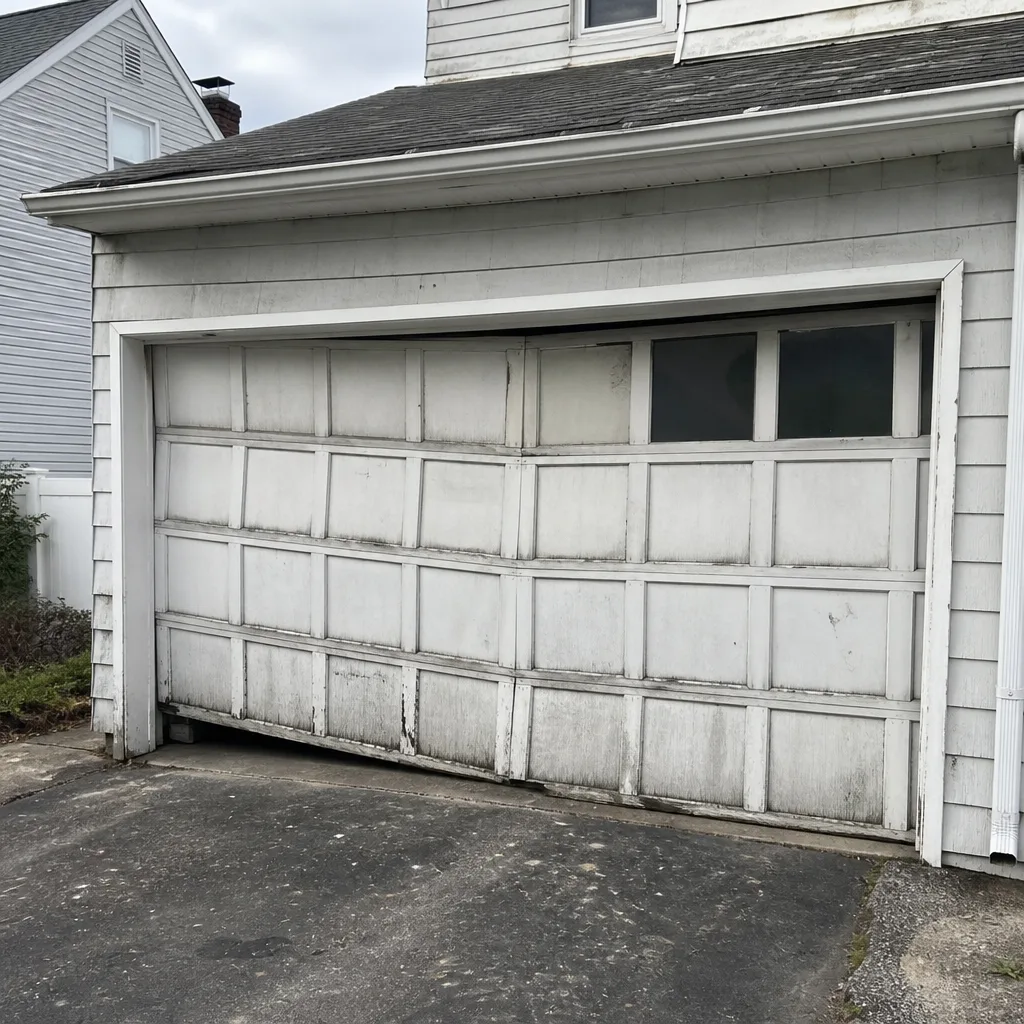 Before
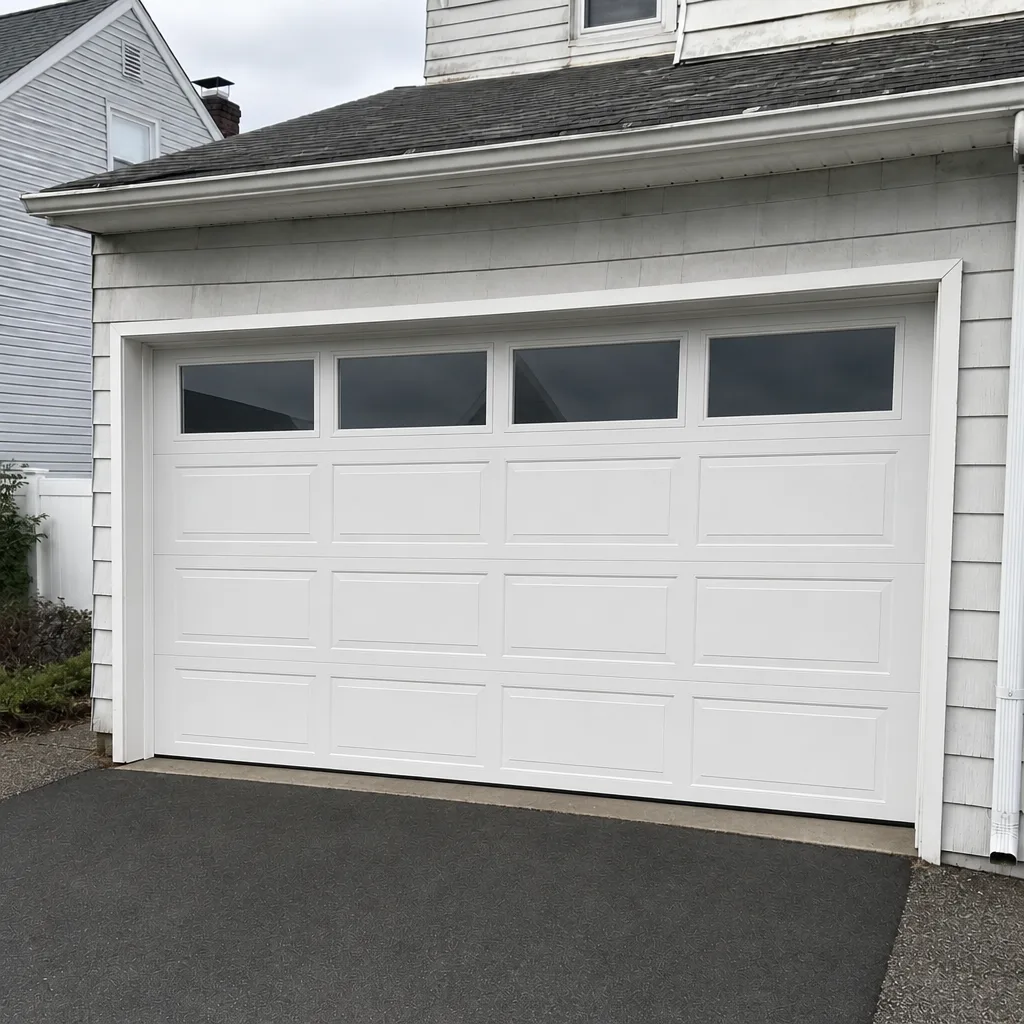 After
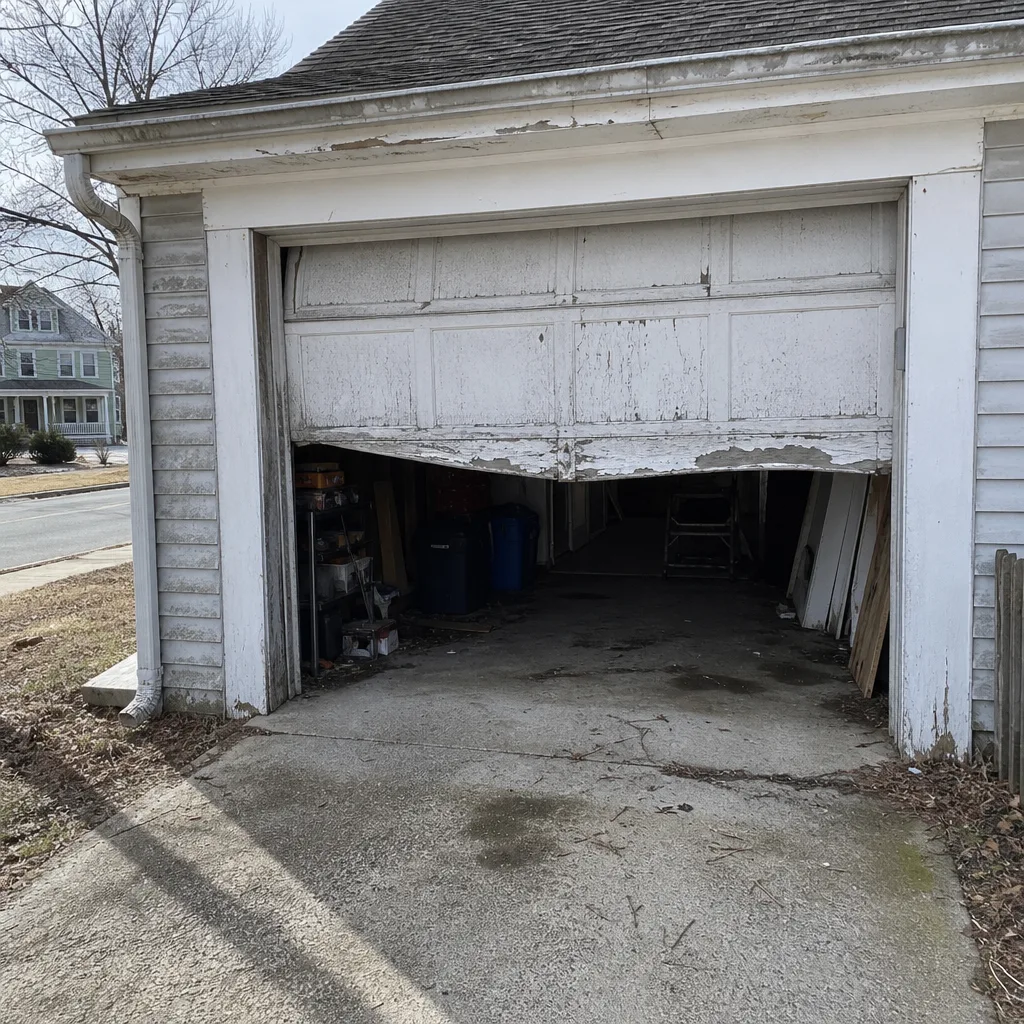 Before
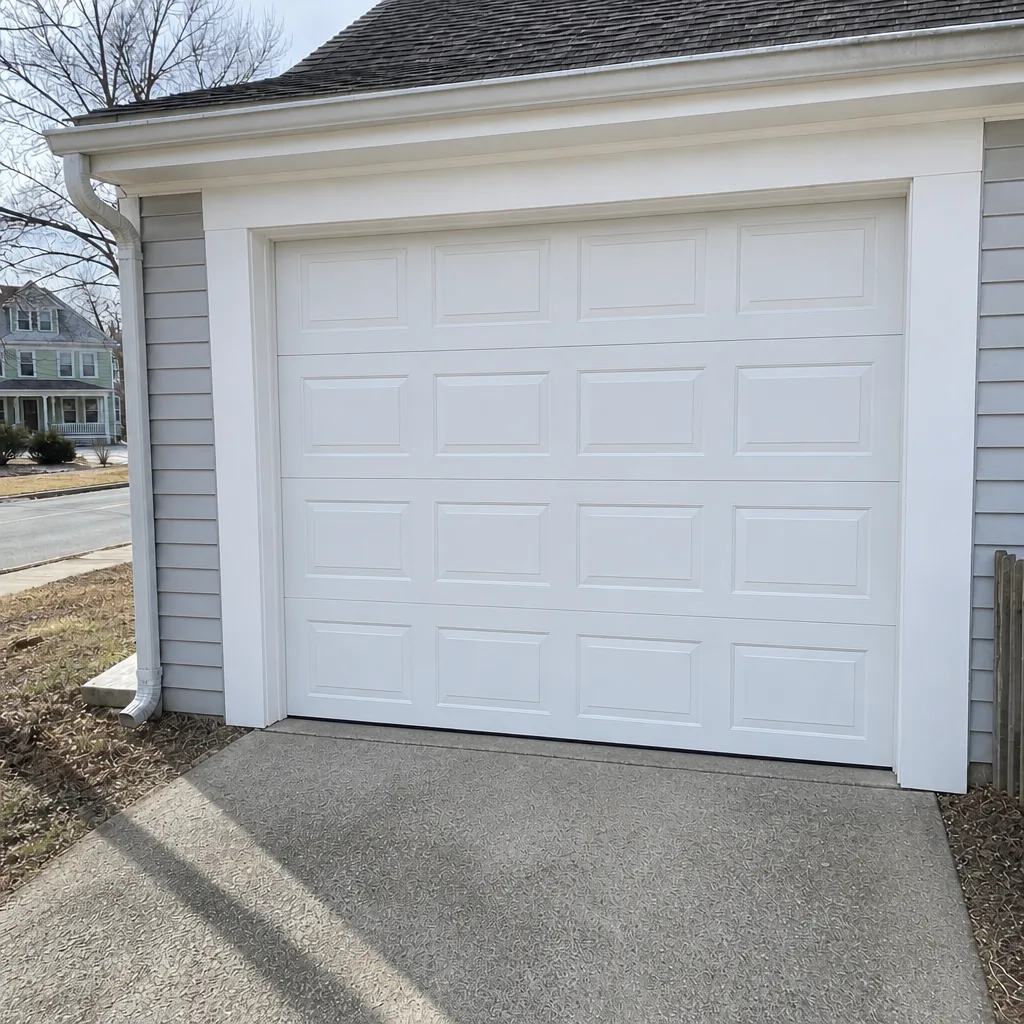 After
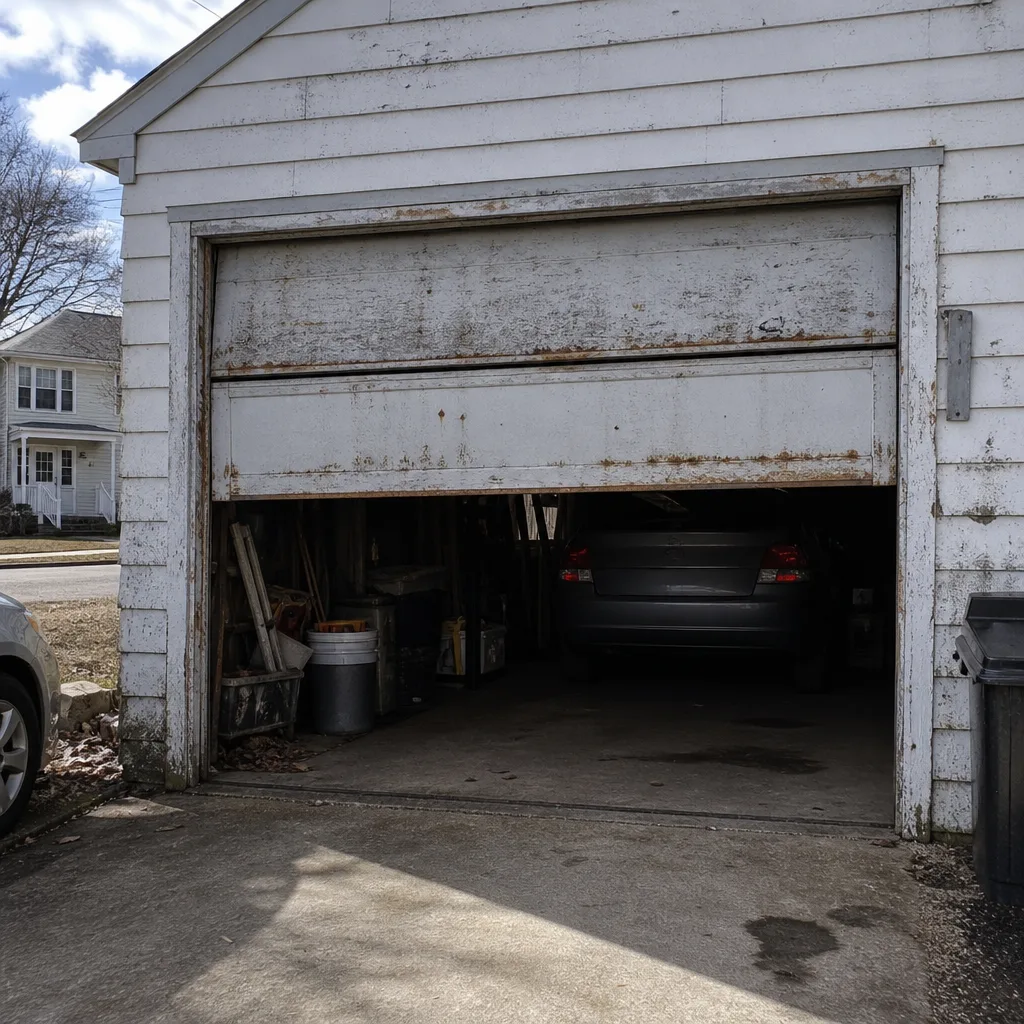 Before
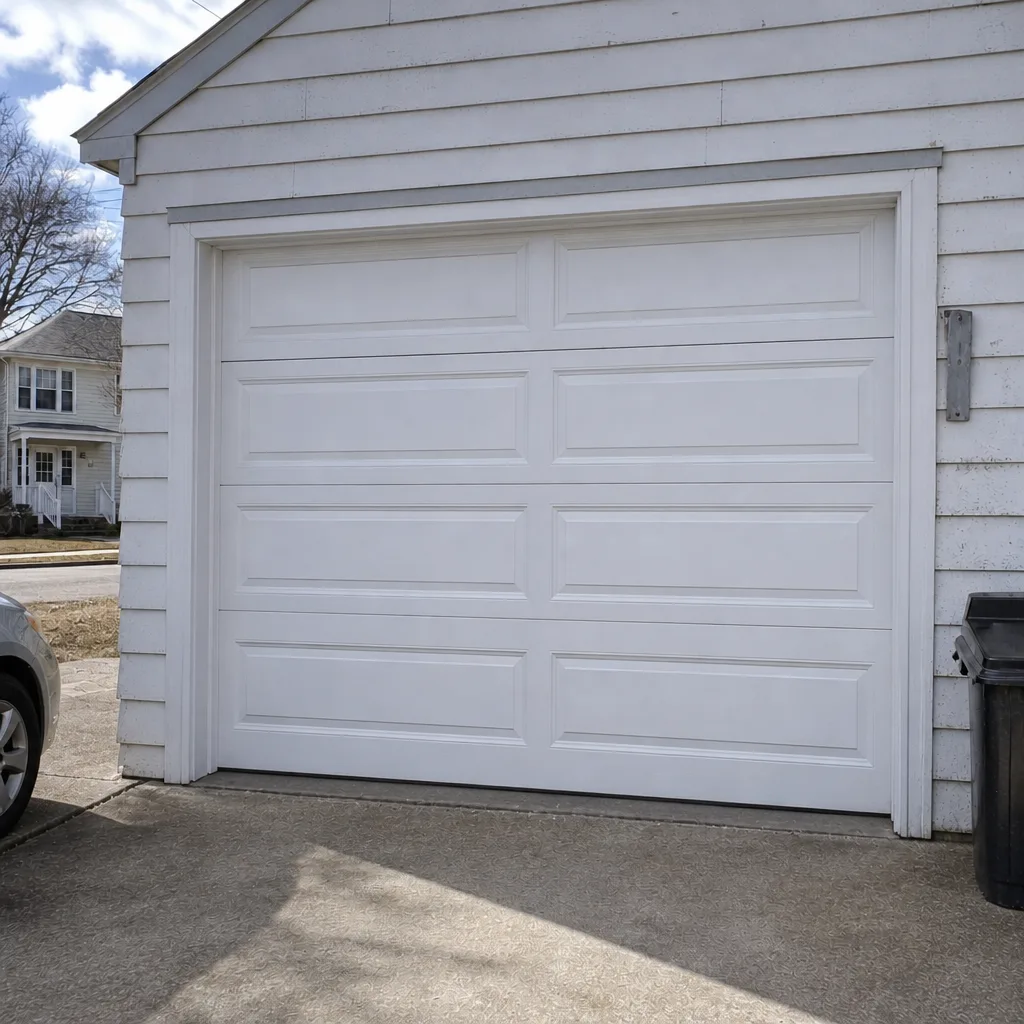 After
Common Mistakes to Avoid
- Skipping the fall check. The single biggest mistake is waiting until something breaks in winter. A ten-minute October inspection catches most of what would fail in the cold.
- Greasing the tracks. Tracks are meant to run dry. Grease attracts dirt and grit, which causes binding. Lubricate the hinges, rollers and spring instead.
- Forcing a stuck door. Repeatedly hitting the opener on a door that’s frozen, binding or broken strains the motor and can cause more damage. Find out why it’s stuck before you run it.
- Attempting spring or cable repairs. These parts store a lot of energy, and getting it wrong can cause serious injury. This is the one job that genuinely needs a trained professional.
- Ignoring a misaligned track. A door that runs out of alignment will still open, but it strains the opener and springs. Catch it in spring before it causes a bigger repair.
- Overlooking weatherstripping. A cracked seal lets in cold air, water and pests, and it fails harder in winter. Check seals each season.
- Mismatching parts to the brand. Openers and doors are brand-specific. Using the wrong part can void a warranty or cause the opener to work against the door. Know your brands and use a technician who does.
When to Call a Professional
Most of this guide is safe for a homeowner to do. A few things aren’t, and a few more are worth a call because getting them wrong costs more than the service. Call a professional for anything involving springs or cables, for a door that’s out of balance, for a track that’s bent or badly misaligned, and for an opener that won’t adjust or keeps reversing. Call if your door won’t close, since that’s a security and safety issue. And call if you’re not sure what you’re looking at; a free estimate is a small cost against a bigger repair. Fall River Garage Door Repair Co offers free estimates in Fall River. Call (866) 819-6714. Our technicians have up to 11 years of experience, and the local pro is licensed and insured as their state requires.
Frequently Asked Questions
At least once a year, ideally in the fall before the cold sets in, plus a visual check each spring after winter. Homes close to the waterfront and wood doors benefit from more frequent checks. The fall service is the most important one because it catches issues before the cold makes them worse.
Cold makes steel springs more brittle, so a spring that’s been fine all summer can snap on a cold morning. The metal fatigues over thousands of cycles, and cold narrows the margin between working and broken. If your spring is old or showed wear in the fall, the cold is what pushes it over the edge.
No. Springs store a large amount of energy, and getting it wrong can cause serious injury. This is one of the most dangerous repairs in home maintenance. Call a professional for spring replacement; it’s not a job for a ladder and a video.
Don’t force it. Check the bottom seal and the track for ice and clear it gently. Then pull the manual release with the door closed and try lifting by hand. If it won’t budge, the problem is the door, not the opener. If it’s a safety or security issue, call us for emergency service at (866) 819-6714.
We’re open Sunday through Friday, 7am to 7pm, and closed Saturday. If a door fails on a Saturday, call and we’ll book you for Sunday. For an exact quote, call (866) 819-6714; estimates are free.
We service eight major brands: LiftMaster, Chamberlain, Genie, Clopay, Amarr, Wayne Dalton, Craftsman and Raynor. Knowing your brand means faster diagnosis and correct parts the first time, and it means your repair won’t void a manufacturer warranty. Call (866) 819-6714 to book a visit.
The Bottom Line
Fall River’s seasons each stress your garage door differently, so the best maintenance plan follows the calendar. A few minutes in October before the freeze prevents most winter failures. A spring check against rust and frost-heave damage catches what winter left behind. Summer humidity and UV need their own attention, especially on wood. Homes near the waterfront need the checks a little more often. None of this takes much time, and the few jobs that need training (springs, cables, opener adjustments) are worth a professional call. A door that’s maintained through the year is a door that opens when you need it, in every season. If you’d like help, Fall River Garage Door Repair Co offers free estimates, and we can put a written price in front of you before any work starts. Call (866) 819-6714 today.
Written by the team at Fall River Garage Door Repair Co.