Last updated November 22, 2026
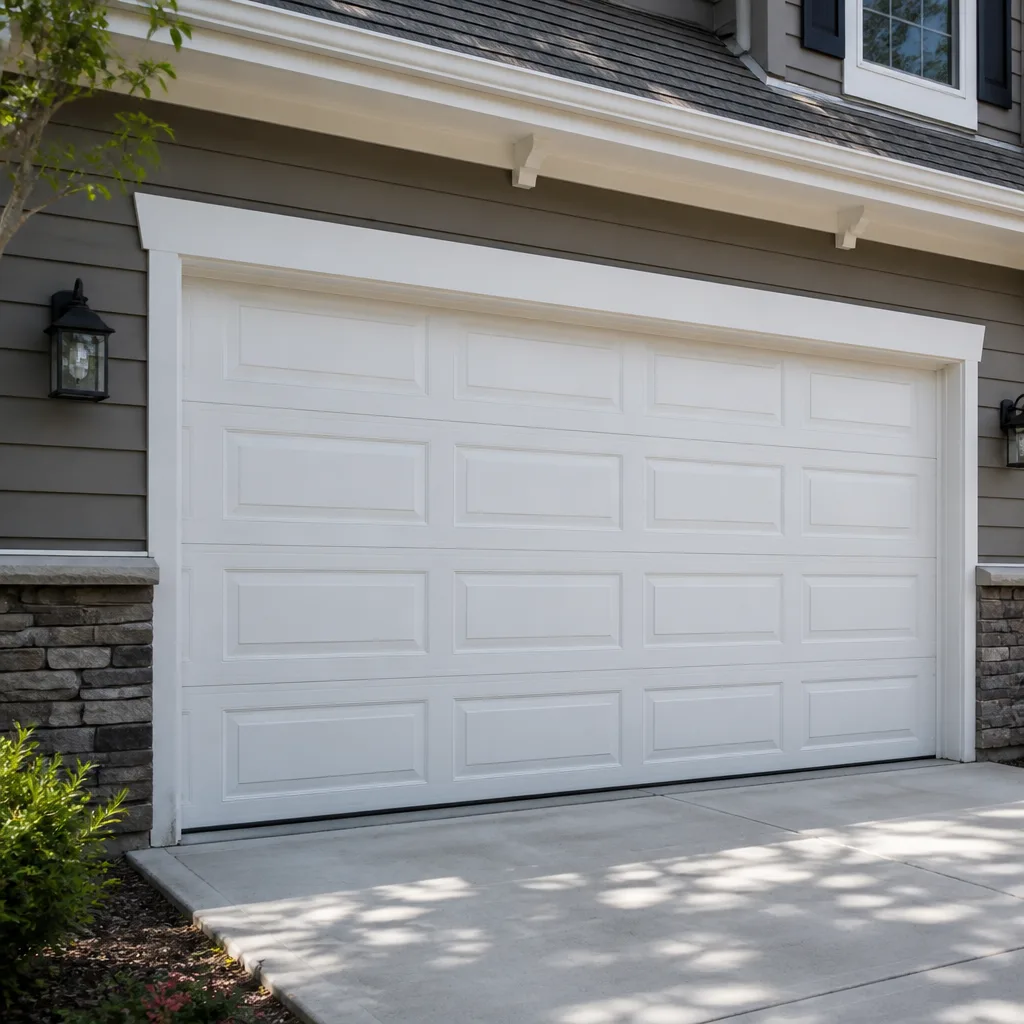 Raised-panel steel
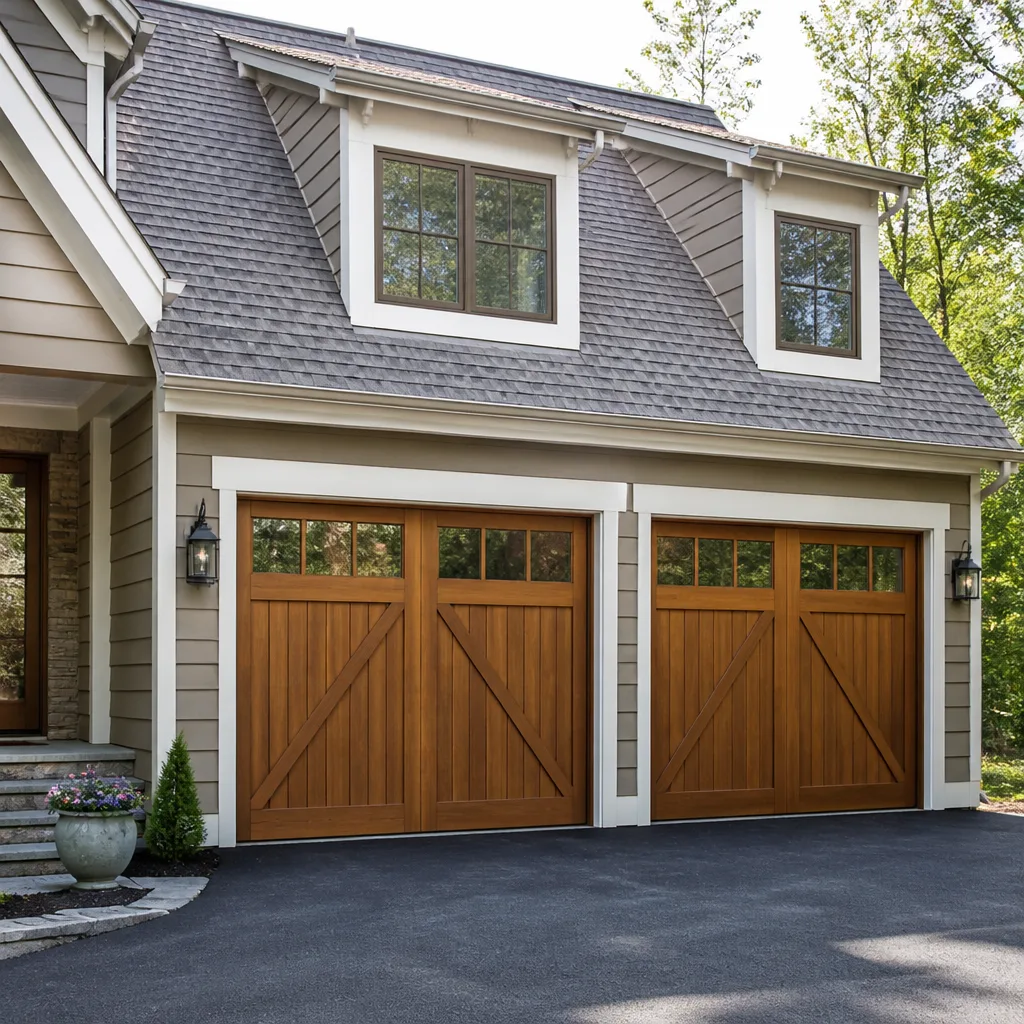 Carriage house
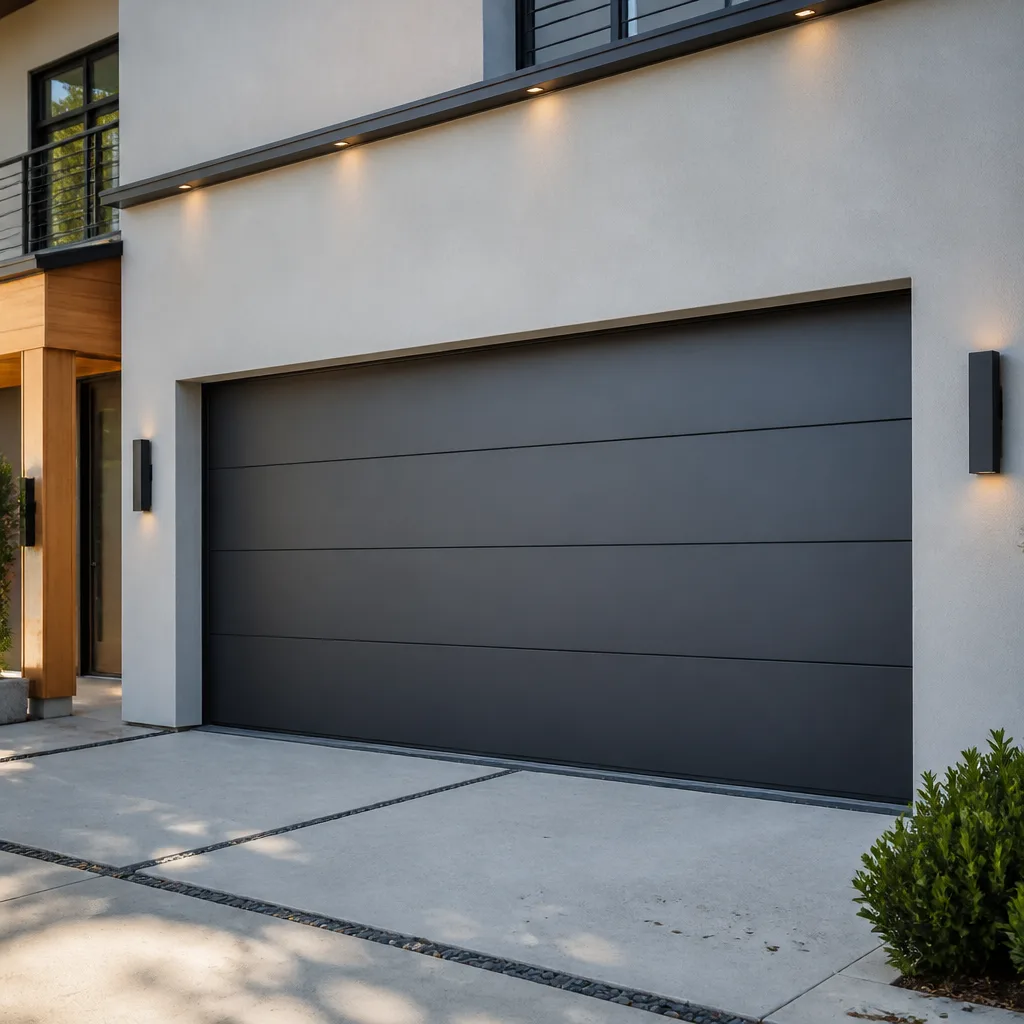 Modern flush
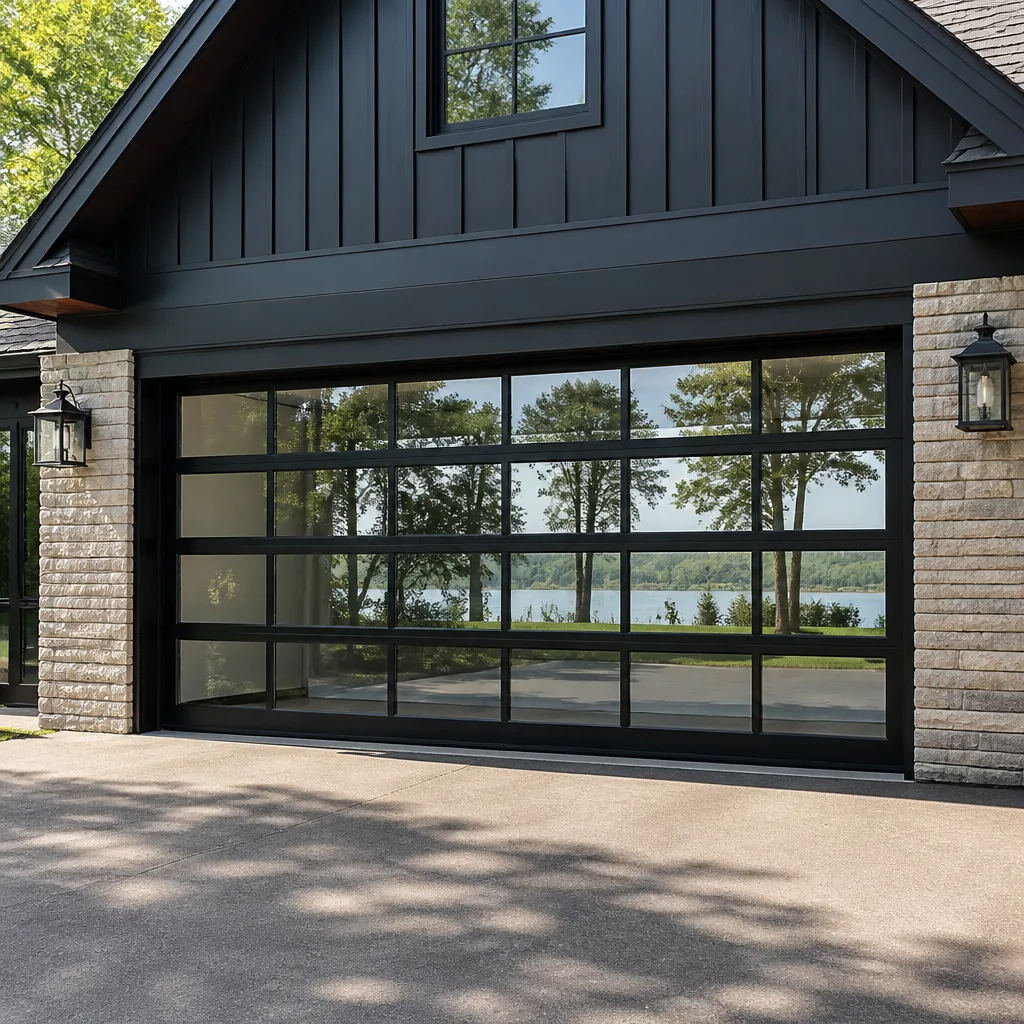 Full-view glass
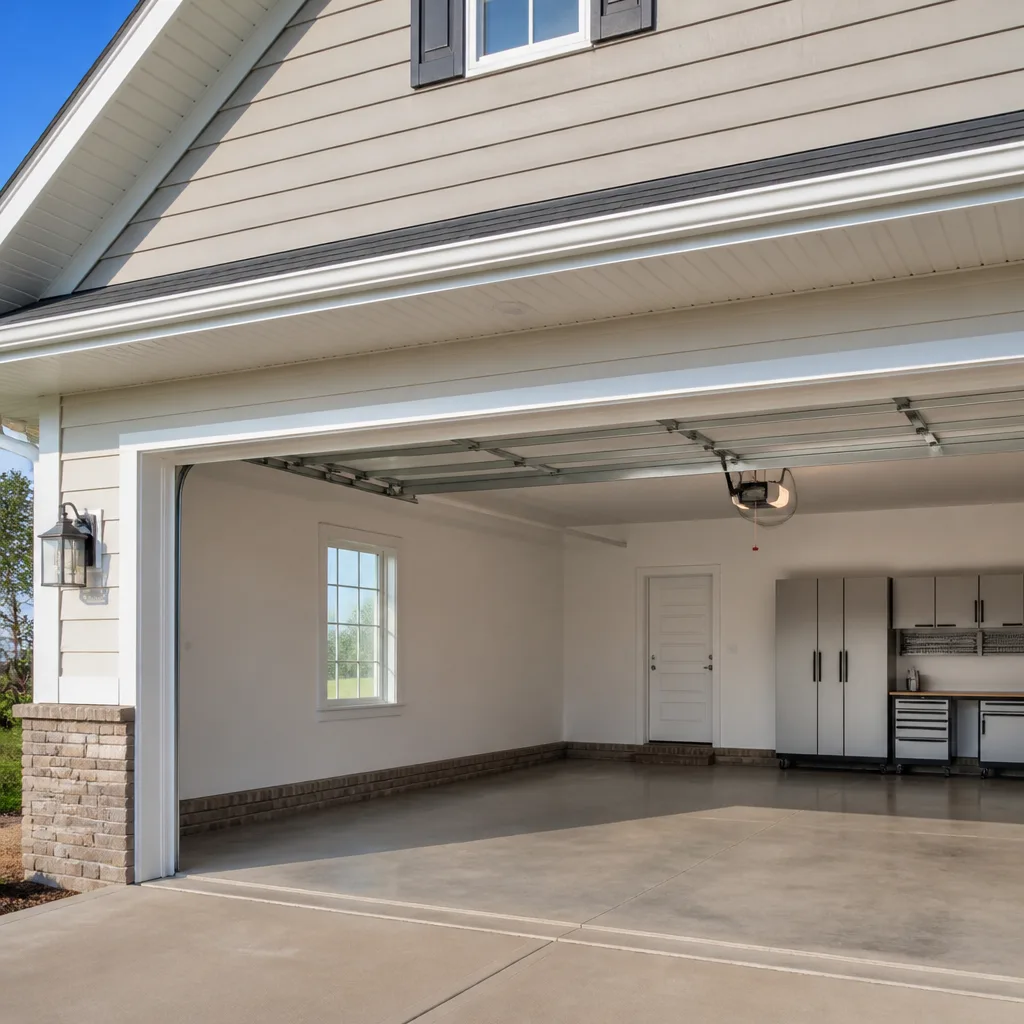 LiftMaster openers
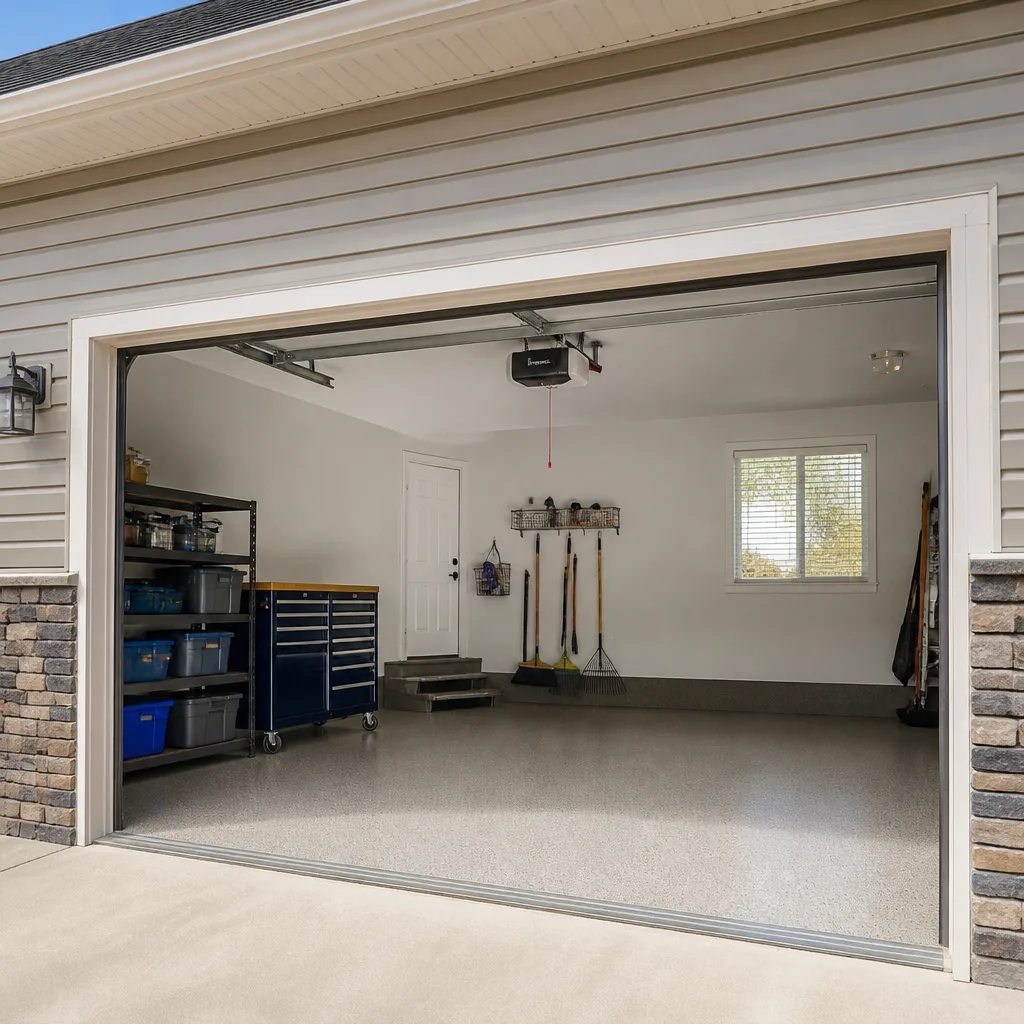 Chamberlain openers
Full 25-point door and opener safety check with every visit - springs, cables, rollers, tracks, and your LiftMaster or Chamberlain opener included
You get a price before we start. It does not change when the pro arrives.
Get your free estimateChoosing the Right Garage Door Brand: A Buyer’s Guide for Fall River
A beautiful door from a brand nobody local can get parts for is a great door right up until the day it isn’t. That day usually arrives on a cold morning when the bottom section has taken on water, or the opener quits and the replacement logic board is on a four-week backorder. In Fall River, the combination of freeze-thaw winters, damp spring air, and dense older housing stock filters the brand list in ways a showroom catalog never shows you. This guide covers what actually separates one manufacturer from another: steel gauge and coating, seal design, parts distribution in southeastern Massachusetts, honest tier differences, warranty language, and how each brand fits the colonials, triple-deckers, capes, and ranches that make up most of Fall River.
Quick Answer
For most Fall River homes, the best garage door brand is the one with a galvanized or heavy-gauge steel skin, a well-sealed bottom section, and a local parts chain you can reach within days. Clopay and Amarr lead on availability in southeastern Massachusetts, Wayne Dalton is a solid mid-tier fit for tight carriage-house openings, and LiftMaster or Chamberlain openers pair cleanly with all of them. Brand name matters far less than whether your installer can get that brand’s springs, cables, rollers, and panels without a long wait.
Styles & brands we work with
- Raised-panel steel
- Carriage house
- Modern flush
- Full-view glass
- LiftMaster openers
- Chamberlain openers
Table of Contents
- Why brand choice matters more in Fall River than you’d think
- How coastal humidity and bay exposure should filter your shortlist
- Parts availability in southeastern Massachusetts
- Entry-level, mid-grade, and premium: what actually differs
- Matching brand options to Fall River housing types
- Insulation and R-value: what matters in a Massachusetts winter
- Warranty terms decoded
- Common mistakes to avoid
Why brand choice matters more in Fall River than you’d think
Garage doors fail at the joints. Thin steel at the section edges, a marginal bottom seal, or a finish that chips at the panel fold will let moisture in, and moisture that freezes and thaws repeatedly opens up those weak points. Fall River gets dozens of freeze-thaw cycles between December and March. A door that looks fine in a dry climate can develop rust blooms and water staining along the bottom rail in a single season here.
That’s why the brand shortlist in Fall River runs shorter than the national one. You want a manufacturer whose steel gauges and coating processes hold up to wet, cold conditions, and whose local parts chain can supply a replacement spring, hinge, or panel without a special order. A premium name means little if a broken torsion spring takes three weeks to arrive.
It’s also worth understanding how the door and opener interact. The opener is a separate system from the door but they share a single installation: the door’s weight and balance determine the opener’s load, and brand-specific setup matters. When you’re shopping a door, ask which opener platforms the installer works with. We’re certified on LiftMaster, Chamberlain, Genie, Clopay, Amarr, Wayne Dalton, Craftsman, and Raynor, which matters when a warranty claim hinges on who touched the hardware. If the door’s opener needs service first, our garage door opener repair techs can diagnose it before you commit to a new door.
How coastal humidity and bay exposure should filter your shortlist
Fall River sits at the head of the Taunton River where it meets Mount Hope Bay, and the bay’s humidity hangs in the air most of the year. Homes in the Highlands and along the waterfront get more airborne moisture than inland towns like Swansea or Somerset, and that damp air finds its way into garages more than most homeowners expect. A standard 24-gauge steel door can develop edge rust in a few winters if the coating is thin and the bottom seal is loose.
Filter the brand shortlist with these four checks:
- Steel type: Look for galvanized or hot-dipped steel over standard cold-rolled steel. Galvanized resists edge rust far better in humid, freeze-thaw climates.
- Coating system: A two- or three-coat finish with a baked-on topcoat lasts longer than a single sprayed coat. Ask the dealer to name the coating process, not the marketing name.
- Bottom seal design: A U-shaped or bulb-style vinyl seal that sits proud of the concrete does more than a flat blade seal. It sheds water and ice rather than trapping them.
- Section joints: Interlocking section edges with a tight, gasketed seam keep wind-driven rain out better than a tongue-and-groove seam with a loose gap.
Amarr and Clopay both build galvanized variants that hold up well in this climate. Wayne Dalton’s entry-level doors are a reasonable fit for a sheltered, attached garage but not for a freestanding structure exposed to wind-driven rain. Raynor builds heavier commercial-grade panels that make sense on larger carriage-house openings. None of these doors are impervious, so check the bottom seal and the section edges each fall. If you see rust starting, our garage door repair techs can address small panel and seal issues before they turn into a replacement problem.
Parts availability in southeastern Massachusetts
Parts distribution is the least glamorous filter and the one that costs the most time. A brand with strong national recognition but no regional distribution network leaves you waiting for a special order every time a hinge, roller, cable, or spring needs replacing. In the middle of a New England winter, that wait costs you usable garage space.
In our experience across southeastern Massachusetts, Clopay and Amarr have the strongest local parts chains through regional building suppliers. Springs, panels, hinges, and bottom seals for those brands are usually reachable within a few days. LiftMaster and Chamberlain opener parts (logic boards, safety sensors, remotes, belt and chain drive components) are similarly accessible through electrical and door supply houses in the area. Genie and Craftsman opener parts are available but sometimes require a special order, especially for older models.
Wayne Dalton and Raynor sit in a middle band: most common parts are available locally, but less common hardware (specific hinge patterns, older panel styles) can take longer. For that reason, before you buy any door, ask the salesperson these questions:
- Which regional distributor stocks replacement panels for this exact model line?
- What’s the typical lead time on a bottom section, a hinge, and a torsion spring?
- Is the opener’s logic board still in production, or has the model been discontinued?
- Can the installer get the exact color and panel profile, or only a close substitute?
If the answers are vague, the brand isn’t the problem, the model line is. Choosing a widely distributed model within a good brand beats choosing the most premium model line from a brand with no local support. Our garage door spring repair work relies on having the correct spring for a given door weight; a poorly distributed brand makes that job slower and more expensive.
Entry-level, mid-grade, and premium: what actually differs
Garage door pricing and quality tiering is not just about style. The differences are mechanical. Here’s what actually changes between entry, mid-grade, and premium doors, plus estimated ranges for a standard single-car installation in the Fall River area (a written estimate sets the final price).
| Tier | Typical Estimated Installed Cost | What Actually Differs |
|---|---|---|
| Entry-level | $700-$1,400 | Standard 24-gauge steel, single-coat finish, flat or lightly insulated panels, blade bottom seal, no warranty on finish beyond a short term |
| Mid-grade | $1,400-$2,600 | Galvanized or 25-27 gauge steel, two-coat baked finish, insulated with a foam core or polystyrene, bulb-style bottom seal, extended finish warranty |
| Premium | $2,600-$4,500+ | Heavy-gauge steel or full aluminum/wood composite, three-coat finish, full polyurethane insulation, engineered bottom seal, torsion system with higher-cycle springs, lifetime limited warranty |
What’s not obvious: the biggest mechanical differences live in the spring system, the hinge plates, and the bottom seal. A mid-grade door with a well-specified torsion spring (rated for a realistic cycle count) will outlast an entry door with a cheap spring faster than the outer finish difference suggests. Fittings and hardware matter as much as skin. For most Fall River homes, the mid-grade tier is where you get real value: it holds up to the climate without paying the premium tier markup.
Matching brand options to Fall River housing types
Fall River’s housing stock leans on four dominant forms, and each one narrows the brand shortlist in a slightly different way.
Triple-deckers: Many of these have detached or attached carriage-house garages with low headroom, narrow single-car openings, and older framing. Look for brands with a good selection of low-headroom torsion systems and 8-foot or 7-foot single-car panel options. Clopay and Amarr both offer low-headroom kits that work in tight openings. Avoid premium-tier doors with deep panel profiles that won’t clear the header.
Colonials: Standard two-car openings, usually 16-foot-wide doors. You have the most freedom here. Insulated mid-grade or premium doors with a carriage-house panel profile are the natural fit. Match the door to the house trim and the window configuration, and confirm the opener is sized to the door weight.
Capes: Common in the Highlands and older waterfront blocks. Cape-style homes often have attached single-car garages with the door tucked under the roofline, which limits the header space. Mid-grade single-car doors with a low-profile panel work best. Consider insulated doors since the garage shares a wall with living space.
Ranches: Usually wider, lower openings with the most insulation opportunity. A fully insulated mid-grade or premium door makes the biggest difference on a ranch, especially when the garage sits under or next to living space. If you’re considering installation, our garage door installation process starts with a free measure to confirm headroom, opening size, and framing before you commit to a model.
Insulation and R-value: what matters in a Massachusetts winter
Insulation is the single most over-marketed feature on a garage door. Here’s what actually matters when a Massachusetts winter has the garage at or below freezing for weeks at a time.
An insulated door reduces heat loss from the house into an attached or under-garage, which keeps the rooms above it warmer and reduces the load on your furnace. Non-insulated steel doors on an attached garage lose heat through the back of the panel all winter. Full polyurethane foam performs better than polystyrene, and a door with a thermal break between the outer skin and inner skin performs better than a door with a continuous steel skin that bridges cold straight through.
We don’t quote R-value numbers as a selling point because the published ratings vary by test method and don’t translate cleanly to how a door performs on a specific opening. What matters is:
- Foam density: full polyurethane core against a thin polystyrene panel
- Thermal break between the outer skin and inner skin
- Bottom seal that contacts the concrete or threshold
- Side seals and top seal that close off drafts
- Opener well sealed against the ceiling opening
If your attached-garage door is uninsulated or has a thin foam core, upgrading to a mid-grade insulated door is the most cost-effective way to reduce heat loss. If the door is in a detached carriage house, insulation matters less than the finish coating and the spring cycle rating.
Warranty terms decoded
“Lifetime limited” is the most misunderstood phrase on a garage door spec sheet. It rarely means the whole door is covered for the life of the house. It usually means a specific component, like the torsion spring or the steel skin, is covered, while the finish, the hardware, and the labor carry separate terms.
Here’s how to read a warranty claim before you sign anything:
- Identify which component each term applies to: skin, finish, springs, hinges, rollers, opener, labor.
- Note what voids the finish warranty: certain cleaning chemicals, painting a pre-finished door, pressure washing, and in most cases a salt-exposed installation.
- Note what voids the spring and hardware warranty: owner installation, third-party opener install, and in some cases any tampering with the torsion system.
- Ask the dealer for a written statement of what “lifetime” means in years for each component, since “lifetime” sometimes means the original purchaser only.
- Confirm the claim process: who files it, who covers the labor, and who pays for shipping a replacement part.
In our experience, Clopay and Amarr honor finish claims most consistently, especially with clear documentation from a certified installer. Wayne Dalton handles hardware claims reasonably well, but finish claims can get drawn out if the door was pressure washed or washed with the wrong cleaner. Raynor warranties are solidly written but the claims trail often runs through a commercial distributor. Whoever installs the door, keep the purchase and installation paperwork in a folder, note the door’s exact model number, and photograph the installation. If you’re choosing a brand for a door that’s exposed to bay humidity, finish warranty coverage is worth more attention than the lifetime limited label on the skin.
Common Mistakes to Avoid
- Choosing by style before parts availability. A premium door from a brand with no local parts chain becomes a headache the first time a hinge or bottom section needs replacing. Confirm parts distribution before you fall for a panel profile.
- Trusting “lifetime limited” without reading the finish exclusions. Most finish warranties have specific exclusions for the cleaning products, pressure washing, and exposure conditions common in Fall River. Reading them first saves you a denied claim.
- Skipping the insulation question on an attached garage. An uninsulated door on an attached garage leaks heat through the panel all winter and drives up heating costs more than a slightly higher door price would.
- Mismatching opener and door. A heavy premium door needs a correctly sized opener and correct spring balance. A mismatched pair wears out the opener motor and the torsion springs faster.
- Hiring an installer without checking brand certification. Some brands treat installation by an uncertified installer as a warranty void. Ask which brands the installer is certified on before scheduling installation.
- Ignoring the bottom seal during the buying process. In Fall River’s freeze-thaw cycle, a blade-style bottom seal traps ice and water against the concrete. A bulb-style or U-shaped seal sheds water and ice.
- Assuming all steel is the same. Standard cold-rolled steel rusts at the edge far faster than galvanized steel. In bay humidity, that difference compounds over every winter.
See the difference
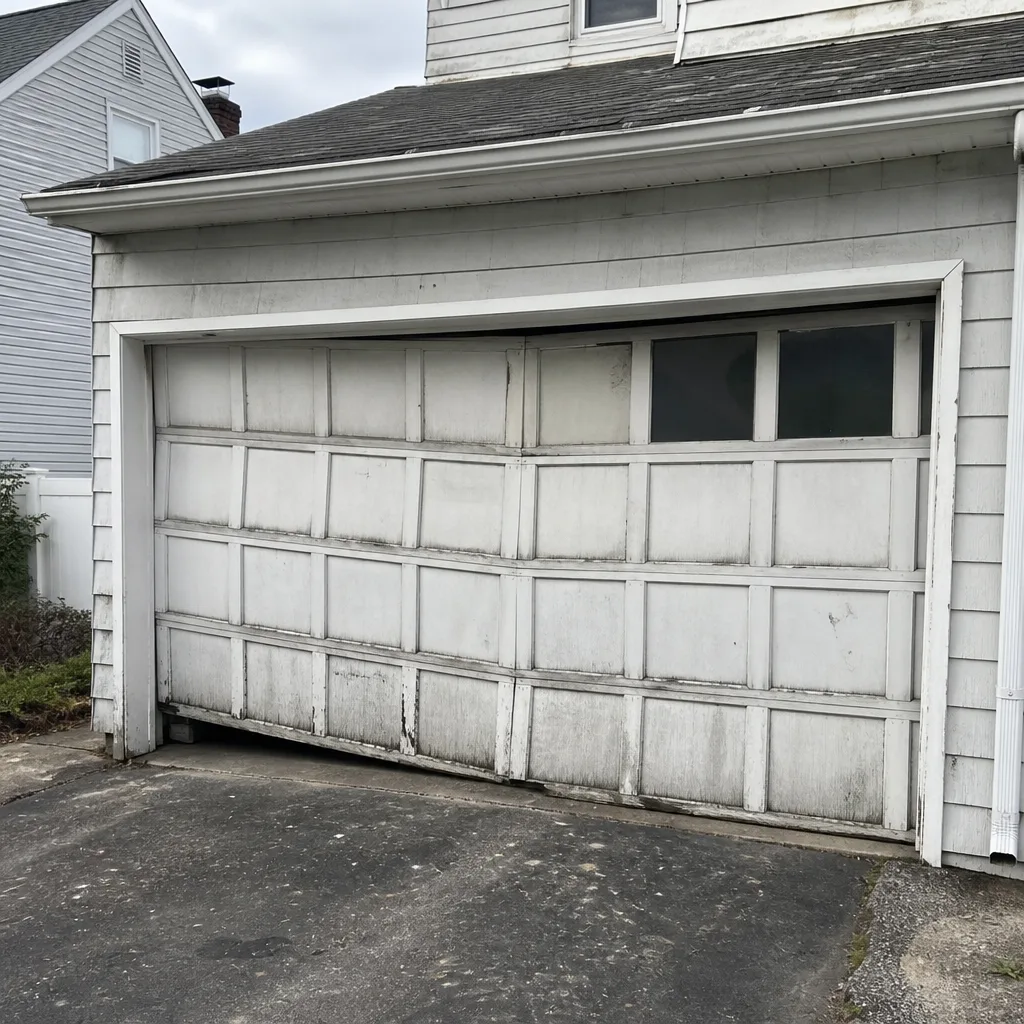 Before
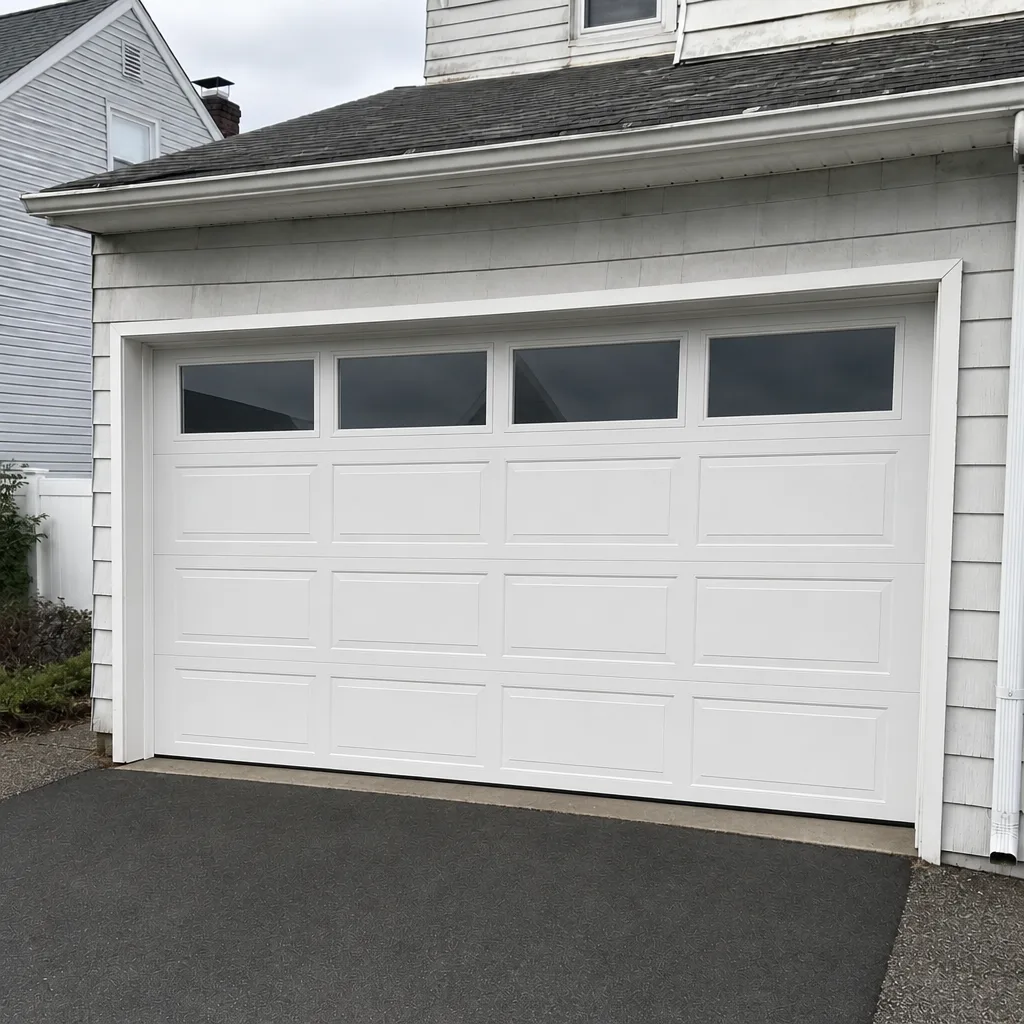 After
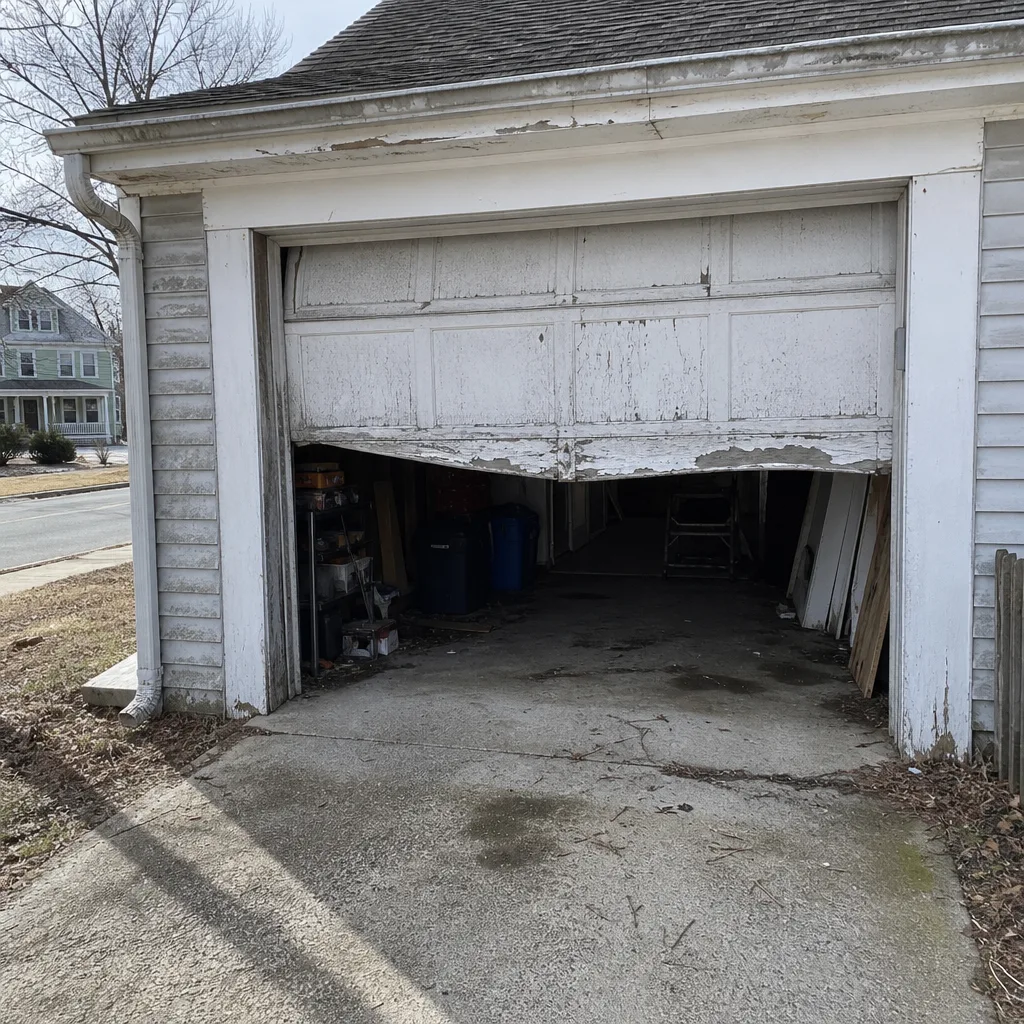 Before
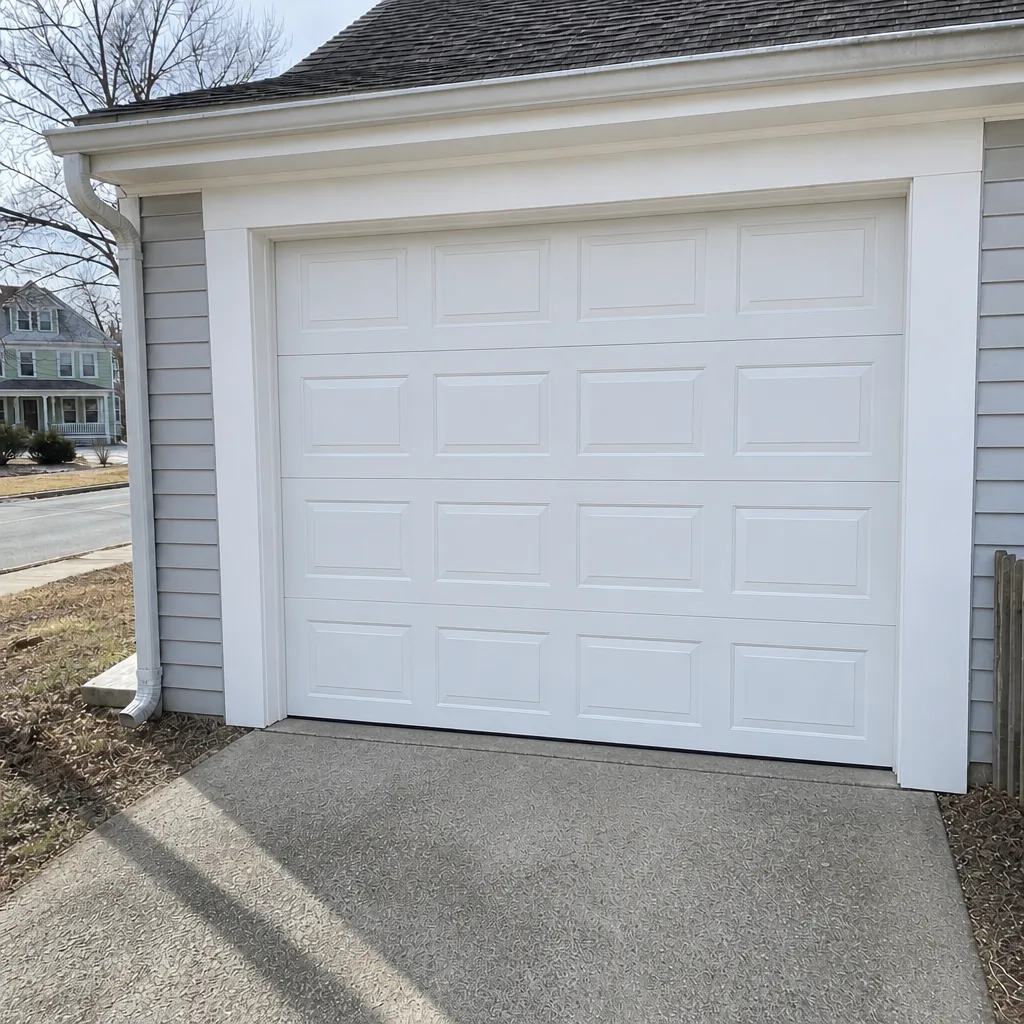 After
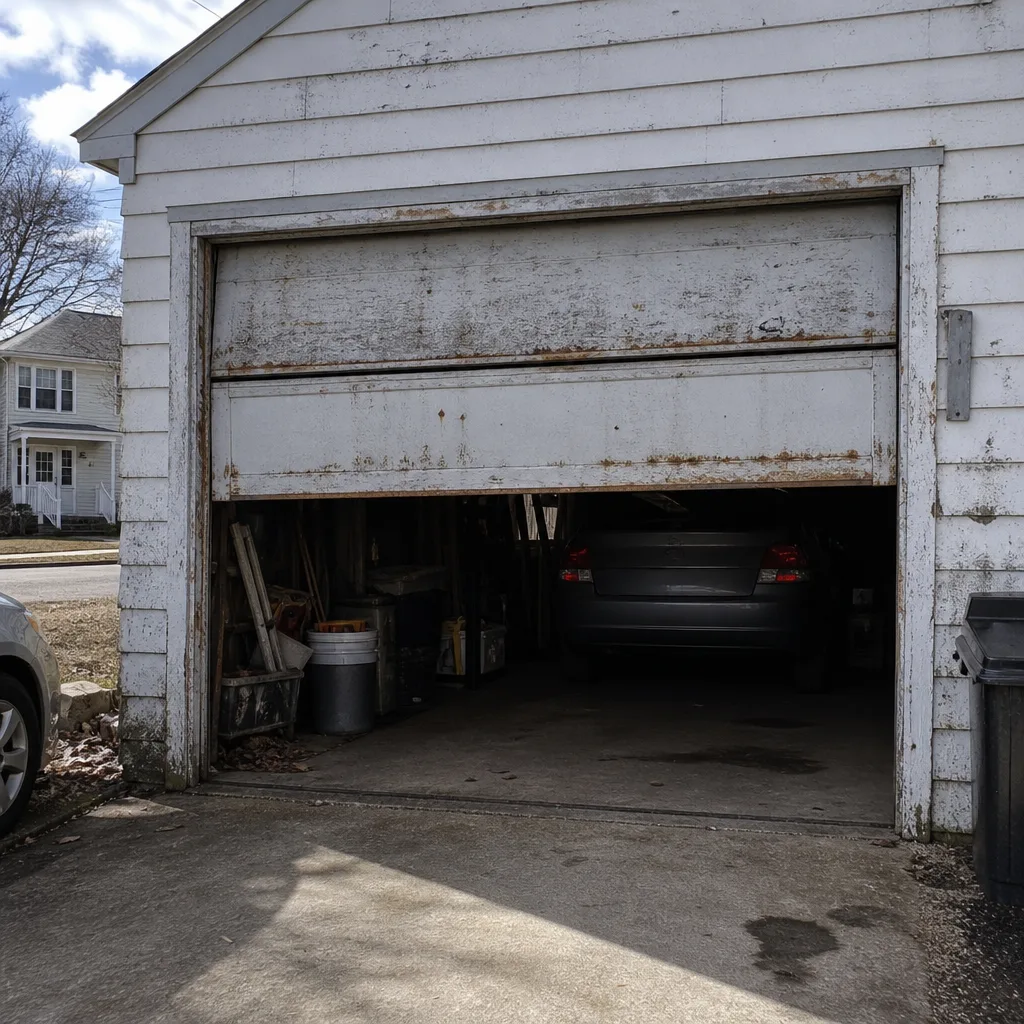 Before
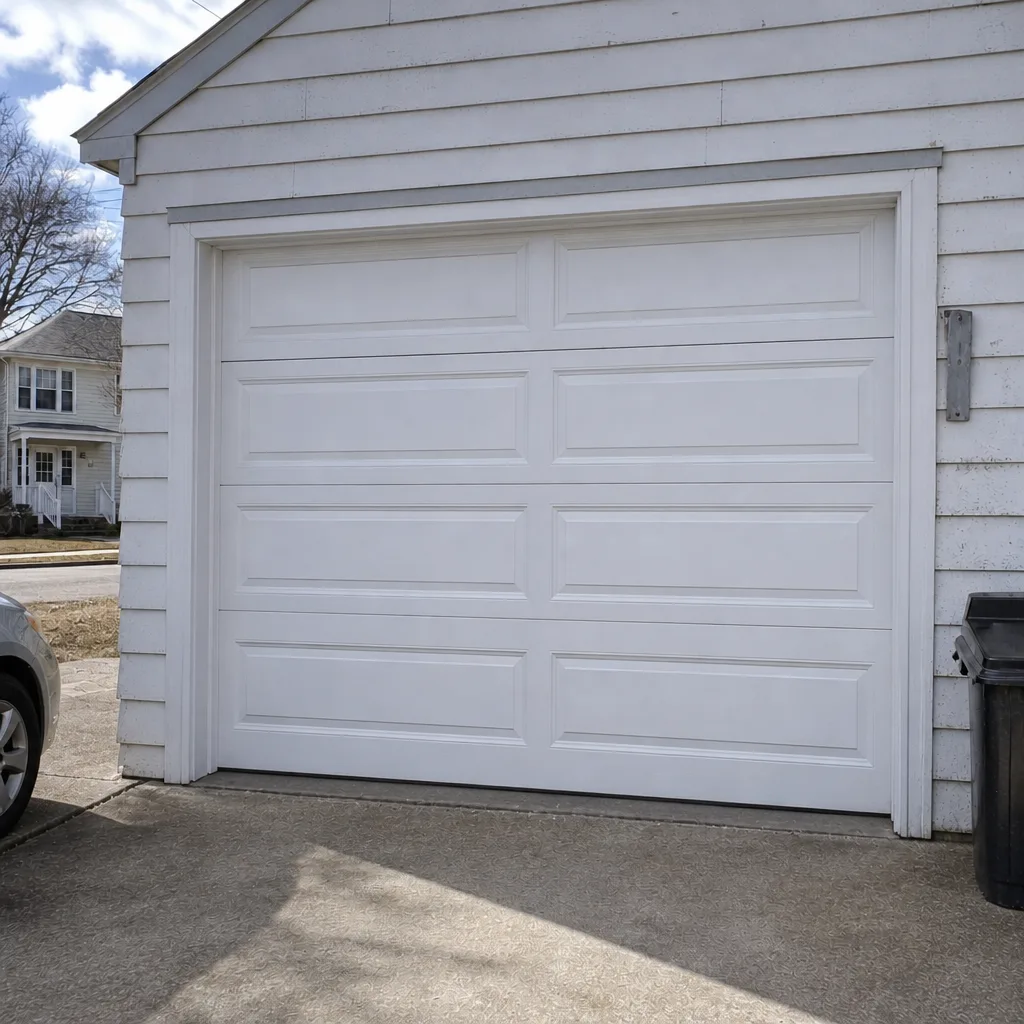 After
When to Call a Professional
Some garage door work is genuinely dangerous for a homeowner. Torsion springs store tremendous energy, and amateur spring work is a leading cause of serious home injury. The same is true of any electrical work at the opener or the wall switch, and any repair that requires climbing on a stepladder to reach high-mounted hardware. Call a professional when a torsion spring breaks (the very loud bang from the garage), when a cable snaps, when the door falls off the track, when the opener quits, or when the door won’t close and the house is open to the weather. We work on the four door brands most common in Fall River and the four opener brands most common with them, so diagnosis is quick and parts are correct the first time. Fall River Garage Door Repair Co offers free estimates in Fall River, call (866) 819-6714.
Frequently Asked Questions
For most Fall River homes, Clopay and Amarr lead on local parts availability and climate durability, with LiftMaster or Chamberlain openers paired to either brand. Wayne Dalton is a solid fit for tight carriage-house openings, and Raynor makes sense for larger or heavier door needs. Brand name matters, but parts distribution matters more. Call (866) 819-6714 for a free estimate.
Yes, but not for the reasons the manufacturer advertises. The bay’s humidity and Fall River’s freeze-thaw winters make steel type, coating system, and bottom seal design the deciding factors. A standard cold-rolled steel door with a thin finish will develop edge rust in a few winters. A galvanized steel door with a two- or three-coat baked finish and a bulb-style bottom seal will last far longer. Call (866) 819-6714 to talk through brand options for your specific door.
Parts availability determines how long you’re without a working door when something needs replacing. Brands with strong regional distribution through southeastern Massachusetts suppliers (Clopay, Amarr) get springs, panels, and hinges to your installer in days. Brands with thinner local distribution can require weeks of special order. Before you buy any brand, ask which regional distributor stocks the exact model’s replacement parts. Call (866) 819-6714 for brand-specific parts guidance.
“Lifetime limited” typically covers a specific component, often the steel skin or the torsion spring, for the original purchaser and not for subsequent owners. The finish, hardware, and labor carry separate terms and exclusions. Read the finish exclusions carefully: pressure washing, certain cleaning chemicals, and painting a pre-finished door often void the finish warranty. Clopay and Amarr honor claims most consistently with clear installation documentation. Call (866) 819-6714 for a warranty-friendly installation quote.
We’re certified to work on eight major brands: LiftMaster, Chamberlain, Genie, Clopay, Amarr, Wayne Dalton, Craftsman, and Raynor. Those cover the hardware and opener systems found in most Fall River homes. If you’re considering a brand outside that list, we’ll tell you honestly before you commit. Most brand certification matters for warranty claims, so it’s worth confirming before installation is scheduled. Call (866) 819-6714 to confirm brand availability and get a free measure.
Typical installed estimates in the Fall River area run $700-$1,400 for entry-level, $1,400-$2,600 for mid-grade, and $2,600-$4,500+ for premium. The written estimate from the installer sets the final price. Mid-grade is the sweet spot for most Fall River homes: it holds up to the climate without the premium-tier markup. Call (866) 819-6714 for a free estimate and a brand recommendation tailored to your opening.
The Bottom Line
The best garage door brand in Fall River is the one with a well-sealed, galvanized or heavy-gauge skin, a finish that survives bay humidity and freeze-thaw winters, and a local parts chain that can supply the exact replacement hardware. Clopay and Amarr lead on those criteria for most Fall River homes, Wayne Dalton is a good fit for tight carriage-house openings, and Raynor makes sense for heavier doors. Pair any of them with a LiftMaster or Chamberlain opener and a certified installer. That combination covers the whole door system and it keeps you out of the backorder queue when something needs replacing.
Fall River Garage Door Repair Co connects homeowners across the area with vetted local professionals certified on eight major brands, from LiftMaster, Chamberlain, and Genie openers to Clopay, Amarr, Wayne Dalton, Craftsman, and Raynor doors. Whether you’re choosing a brand for a first installation or replacing a failed door on a triple-decker carriage house, we can help you compare options, confirm parts availability, and schedule a free measure. Call (866) 819-6714 for a free estimate. Spring work and opener diagnostics are handled by trained technicians with proper tools, and we can work with your insurer on claims where applicable. Visit Fall River Garage Door Repair Co for the full service list.
Written by the team at Fall River Garage Door Repair Co.