Last updated November 22, 2026
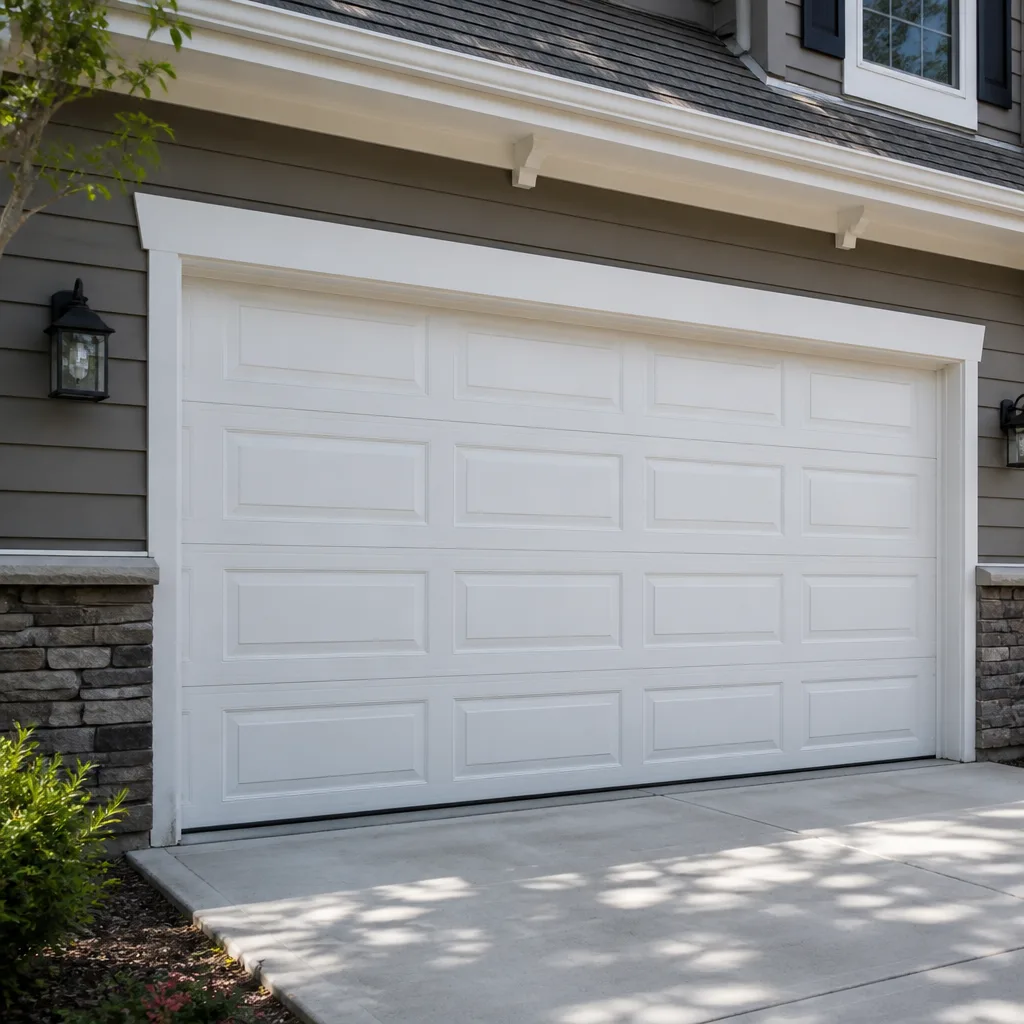 Raised-panel steel
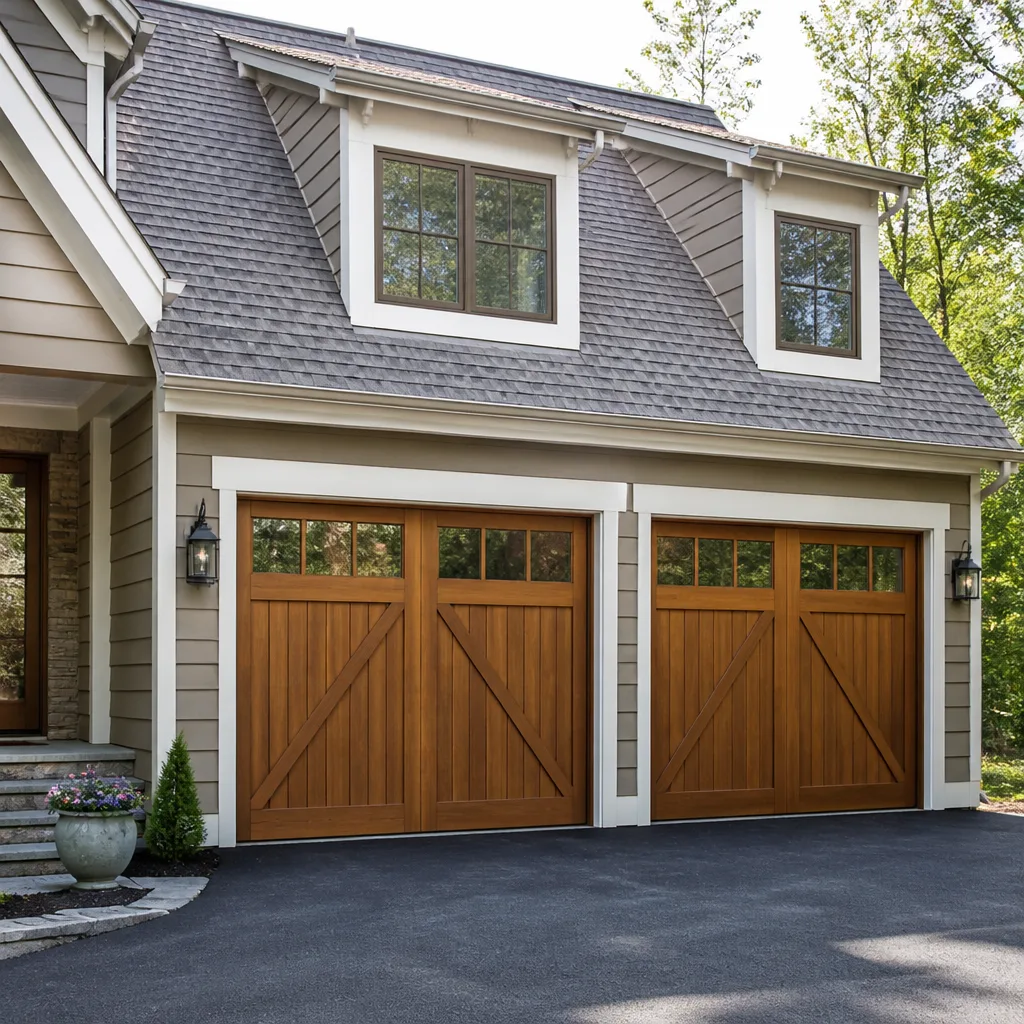 Carriage house
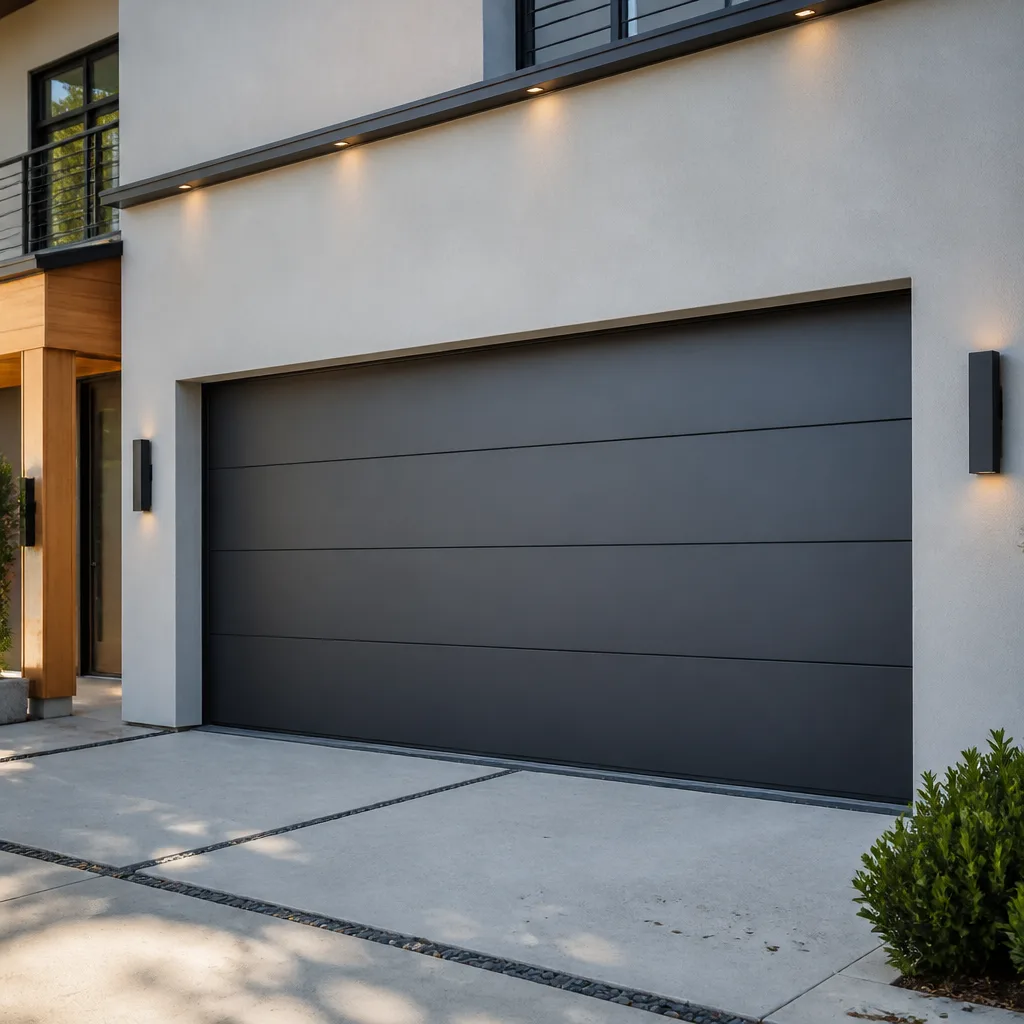 Modern flush
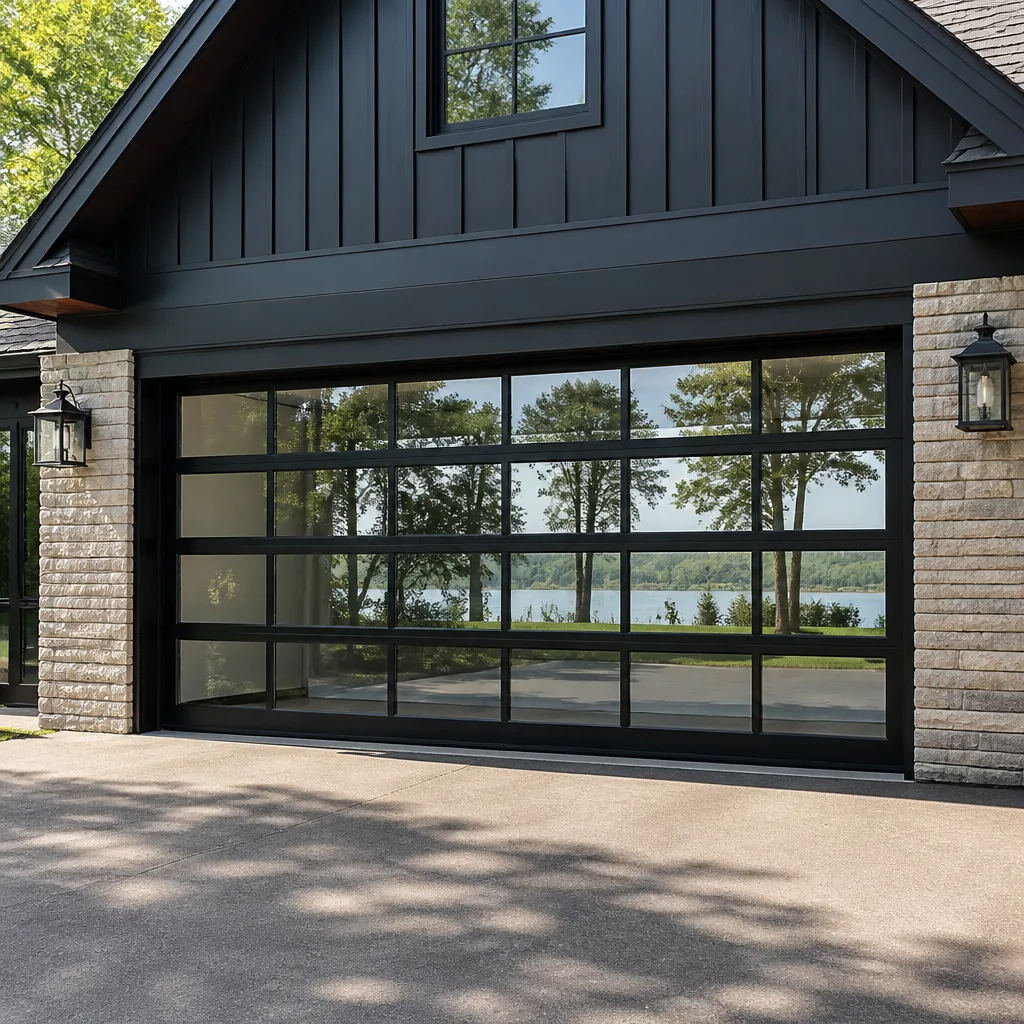 Full-view glass
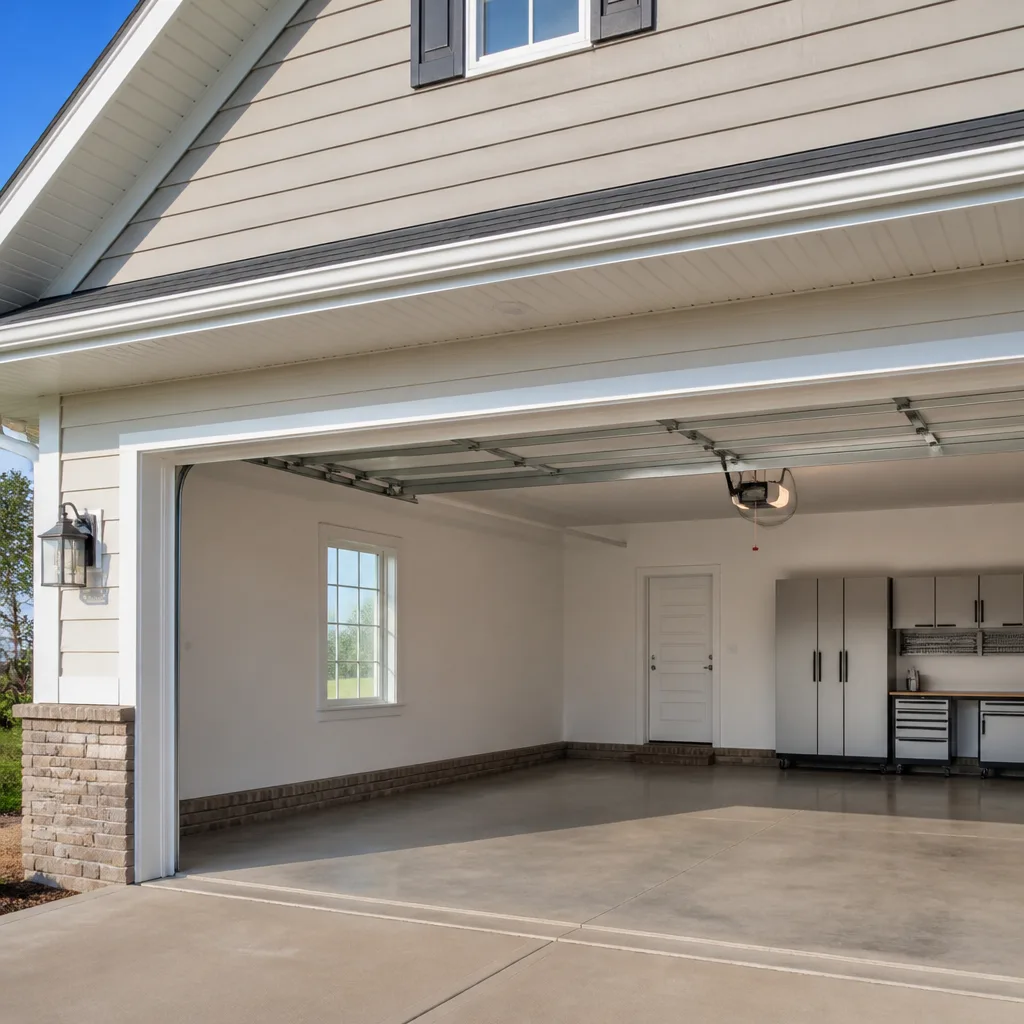 LiftMaster openers
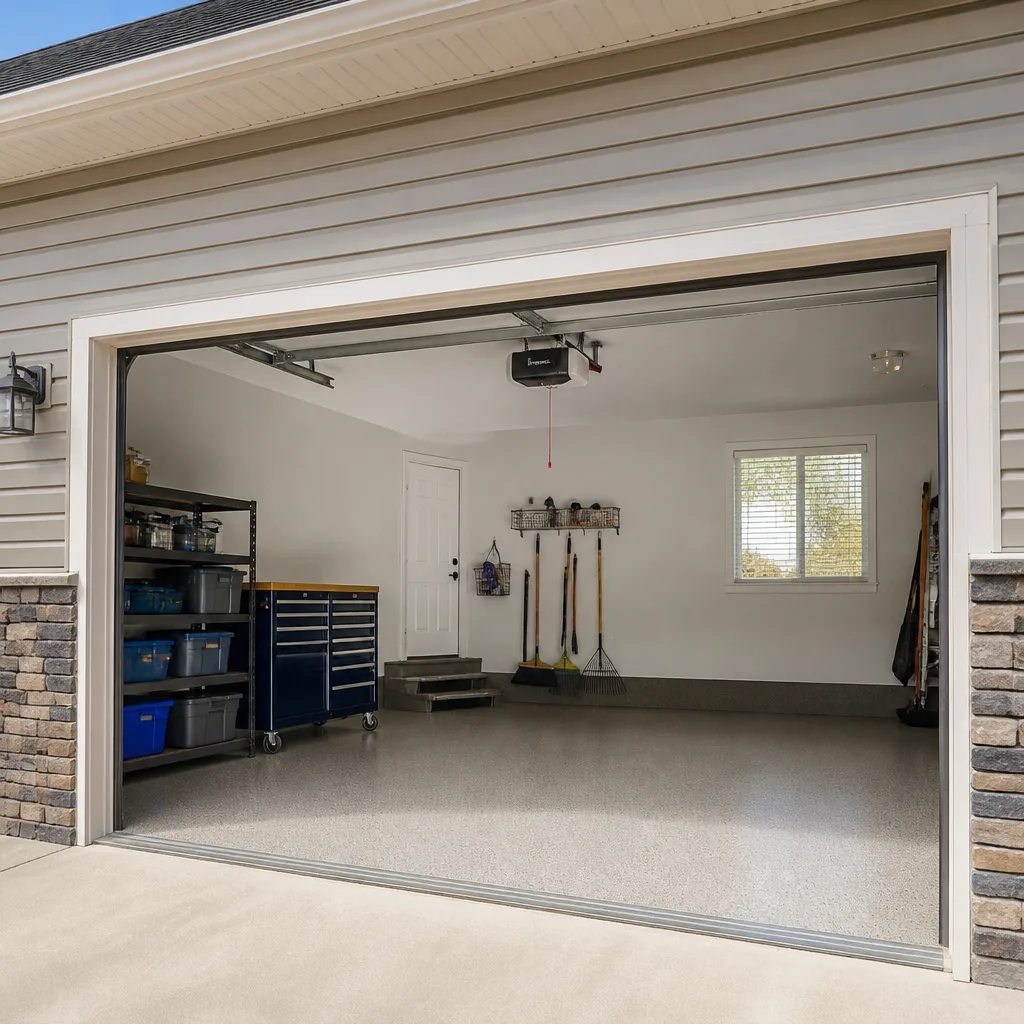 Chamberlain openers
Full 25-point door and opener safety check with every visit - springs, cables, rollers, tracks, and your LiftMaster or Chamberlain opener included
You get a price before we start. It does not change when the pro arrives.
Get your free estimateGarage Door Repair Maintenance Checklist for Fall River Homeowners
The number one reason garage doors fail prematurely in Fall River isn’t neglect. It’s the wrong routine applied to hardware that’s already fighting humidity and road salt. Homeowners here tend to do one of two things: nothing at all, or the wrong thing at the wrong time of year. A spring that gets sprayed with the wrong lubricant in June will collect grit all winter. A cable that’s fraying quietly behind the drum won’t announce itself until a cold morning when it finally snaps. This guide gives you a task-by-task checklist organized by component, with pass/fail criteria, real product guidance for humid conditions, and a seasonal calendar built around Fall River’s weather. You’ll learn what to inspect yourself, what to leave alone, and what the findings mean for your door’s remaining life.
Quick Answer
A complete garage door maintenance routine in Fall River should happen twice a year, ideally in spring after the freeze-thaw season and in fall before winter sets in. Inspect springs, cables, rollers, tracks, and the opener each time, lubricate metal-on-metal contact points with a silicone-based or lithium grease product that won’t attract grit, and leave spring tension and cable adjustments to a trained technician. Most of the checklist is safe to do yourself; the dangerous parts are the ones involving stored tension.
Styles & brands we work with
- Raised-panel steel
- Carriage house
- Modern flush
- Full-view glass
- LiftMaster openers
- Chamberlain openers
Table of Contents
- Why Fall River Doors Age Faster Than You’d Expect
- Safety First: What You Should Never Touch
- Spring Inspection: Fatigue, Gaps, and Life Expectancy
- Cable Inspection: Spotting Fraying Before Failure
- Rollers and Tracks: The Rolling Hardware Check
- Opener Diagnostics and Force Settings
- Lubricant Choices for Humid Conditions
- The Fall River Seasonal Maintenance Calendar
- Which Tasks Are DIY-Safe and Which Aren’t
Why Fall River Doors Age Faster Than You’d Expect
Fall River’s weather is hard on garage door hardware in ways that aren’t obvious until you understand what’s actually happening to the metal. The city sits in a climate with significant seasonal swings: humid summers, cold winters with repeated freeze-thaw cycles, and road salt tracked onto driveways and into garages throughout the winter months. That combination accelerates wear on moving parts faster than a dry, stable climate would.
Here’s what that means component by component. Steel rollers and hinges develop surface rust during the humid months. That rust acts like sandpaper on the track, and the extra friction forces the opener to work harder. Door springs, which are under constant tension, are affected by temperature cycling; a spring that expands and contracts through dozens of freeze-thaw cycles each winter fatigues faster than one in a stable climate. Wood or composite panels absorb moisture and can warp, which throws the door out of alignment and puts uneven load on the tracks.
The neighborhoods closest to the Taunton River and Mount Hope Bay tend to see more humidity-related issues on lower garage panels. Homes in the Highlands and along President Avenue deal with more road salt exposure on the door’s bottom section from driveways that face main roads. None of this means your door is doomed. It means the maintenance routine needs to account for what Fall River weather actually does, rather than following a generic checklist written for a dry climate.
The good news is that Fall River’s housing stock includes a lot of older homes, and older garage doors were often built with heavier-gauge steel and more robust hardware than modern builder-grade doors. A well-maintained older door can outlast a neglected newer one by years. The key is catching wear early, and that’s what this checklist is for.
Safety First: What You Should Never Touch
Before you touch anything on your garage door, understand what carries stored energy. Garage door springs hold hundreds of pounds of tension. When they fail, they release that energy in a fraction of a second. Cable assemblies under tension can whip and cause serious injury when they let go. This isn’t a “be careful” warning; it’s the reason most spring and cable work belongs to a trained technician.
Here’s the short list of what to leave alone:
- Spring tension and adjustment. Torsion springs on the header above the door and extension springs along the sides both carry dangerous stored energy. Never attempt to wind, unwind, or adjust a spring without proper winding bars and training.
- Cable replacement or adjustment. Cables are under tension and can cause severe lacerations or worse if they snap while you’re working near them.
- Bottom bracket. The bracket at the bottom corner of the door where the cable attaches is under constant tension from the cable. Never loosen the bolts on it.
- Any repair while the door is open with the spring under load. Always close the door before inspecting, and never work under a door that’s suspended open.
If you see a broken spring, a cable that’s come off its drum, or a door hanging crooked, that’s a stop-inspection moment. Call garage door repair for an assessment before running the opener again. Running the motor with a broken spring puts huge strain on the opener and can turn a spring repair into a full opener replacement.
What’s safe? Visual inspection of everything from a distance, testing the door’s balance by hand (with the door disconnected from the opener), lubricating hinges, rollers, and the opener rail, and cleaning the tracks. Everything else is a judgment call, and when in doubt, don’t.
Spring Inspection: Fatigue, Gaps, and Life Expectancy
Springs are the component most likely to fail without warning, and they’re also the most expensive single repair. A visual inspection twice a year gives you advance warning of fatigue before the spring breaks. Here’s what to look at, in order.
- Check for a visible gap. Look at the torsion spring above the door (the coil running parallel to the header). A gap in the coil means the spring has broken. Stop the inspection and call a technician; do not run the opener.
- Check the color coding. Springs are painted at the end to indicate their wire gauge and inside diameter. If you can see the original paint color clearly on both ends, the spring may still be at spec. Faded or chipped paint at the ends doesn’t indicate failure on its own, but it’s a sign of age.
- Test the balance. Disconnect the door from the opener (pull the red release cord), lift the door halfway by hand, and let go. A properly balanced door should hold its position. If it drops, the springs are fatigued or out of adjustment.
- Listen for a twang or pop. If the door makes a loud metal-on-metal sound when operating, the spring may be slipping on its shaft.
- Note the door’s age. A torsion spring typically lasts a certain number of cycles (one cycle is one open and one close). If your door is opened and closed four times a day, the spring is doing roughly 1,460 cycles a year. Most residential springs are rated for a specific cycle count, and if you’ve been in the home a while with no spring replacement, it’s worth asking a technician to estimate the remaining life.
When it’s time for replacement, a matched pair is usually replaced together. A single spring replacement range is typically around $180 – $340 in this market, and a pair runs roughly double that. The estimate you get in writing is what sets the final price.
For homes in Fall River with extension springs (the older style running along the sides of the door), the inspection is similar but includes checking the safety cables that run through the center of each spring. Those cables are there to contain a broken spring; if they’re missing or corroded, that’s a red flag. Fall River Garage Door Repair Co handles garage door spring repair for both extension and torsion systems, and the work is done with proper winding bars and gauges so the spring is set to the correct tension rather than eyeballed.
Cable Inspection: Spotting Fraying Before Failure
Cables connect the door to the spring and run over the drums at each corner. They’re under constant tension and they wear through friction where they pass over the drum. A fraying cable is a failure waiting to happen, and unlike a broken spring, the warning signs are visible if you know what to look for.
Here’s the pass/fail criteria for a cable inspection:
- Pass: The cable is a single continuous strand with no visible broken wires, no kinks, and no rust pitting. It sits neatly in the groove of the drum.
- Caution: The cable shows light surface rust or a slight kink. Have a technician look at it during the next service call; don’t lubricate cables, because oil attracts grit that accelerates wear.
- Fail: The cable has broken strands that stick out like a brush, deep kinks, or is off the drum entirely. Stop using the door and call for service. Running the door with a failing cable risks the door dropping or binding hard enough to damage the panels.
The most common place for a cable to fray is right where it wraps around the drum at the top corners of the door. Get a flashlight and look closely at that area. Also check the bottom bracket where the cable attaches; the cable shouldn’t be riding against the bracket or kinked at the attachment point.
Fall River’s road salt winters are the main reason cables here wear faster than in milder climates. Salt tracked into the garage settles on the lower cable and drum area and eats into the galvanized coating. A quick wipe-down of the lower cable and bracket with a dry rag during the spring inspection removes the salt residue and extends the cable’s life. Don’t spray the cable with lubricant; that traps grit and does more harm than good.
Cable replacement is a professional job. The tension must be released and reset correctly, and the door must be rebalanced afterward. We can work with your insurer if a cable failure causes collateral damage, and we’ll always explain what failed and why before doing the work.
Rollers and Tracks: The Rolling Hardware Check
Rollers are the small wheels that ride in the tracks, and they’re the cheapest component to replace and the most likely to cause annoying noise and uneven door travel. A complete roller inspection takes about ten minutes.
- Look at each roller. Plastic rollers develop flat spots and cracks; steel rollers develop rust and worn bearings. Any roller that wobbles, grinds, or has a flat spot should be replaced.
- Check the stem. The metal stem the roller rides on should be straight. A bent stem makes the door jerk sideways in the track.
- Inspect the track for dents and debris. Run your hand along the inside of the track (with the door closed) and feel for dents, kinks, or grit. Small debris like leaves and gravel in the track is a common cause of a door that stops halfway.
- Check track alignment. The vertical tracks should be plumb and the horizontal tracks should be level. Look down the length of each track from the open end. If a track looks noticeably out of line, that’s a professional adjustment; forcing a bent track back into place can crack the door panel.
- Test the rollers’ fit in the track. The roller should sit in the track with a small amount of play, not rattle loosely. Loose rollers mean worn stems or an out-of-spec track.
Roller replacement is one of the safer DIY jobs if you’re comfortable with basic tools, but it requires the door to be closed and the opener disconnected. If a roller is seized, don’t force it; the track can bend and then you’ve got a bigger repair. A technician can replace all the rollers in a single visit, and it’s usually worth doing them as a set rather than one at a time.
Wayne Dalton and Amarr doors, which are common in Fall River’s newer subdivisions, use specific roller profiles that match their track systems. Using the wrong replacement roller causes premature wear on the track. That’s one reason we ask what brand and model your door is before scheduling a roller replacement; the right part goes in on the first visit.
Opener Diagnostics and Force Settings
Your opener is the brain of the system, and its force settings and safety features are the most commonly misadjusted parts. A door that’s getting harder to lift (from dry rollers or a fatigued spring) will trigger the opener’s force limit, and the opener will reverse or stop. Some homeowners respond by turning up the force setting; that’s the wrong fix. The right fix is finding out why the door got harder to lift.
Here’s the opener inspection checklist:
- Test the safety reverse. Place a two-by-four flat on the floor in the door’s path and close the door. It should reverse on contact. If it doesn’t, the safety sensors or the force setting needs attention.
- Test the photo-eye sensors. Wave an object between the two sensors at the bottom of the tracks. The door should not close, and the opener light should blink. Clean the sensor lenses with a soft cloth if they’re dusty.
- Listen to the motor. Grinding or clicking sounds under the opener cover point to a worn gear or drive assembly. A chain-drive opener that sounds like it’s straining probably needs lubrication on the chain (use a chain-specific lubricant, not silicone spray) or a looser chain tension.
- Check the rail and trolley. The rail should be solid and the trolley should move smoothly without wobbling. A loose rail makes the door shake.
- Check the manual release. Pull the red cord and make sure the door disconnects cleanly. Re-engage it and confirm the trolley clicks back into place.
Fall River Garage Door Repair Co services LiftMaster, Chamberlain, Genie, and Craftsman openers, and we carry the right diagnostic tools for each. That matters when an opener is behaving oddly but not fully failing; a brand-specific technician knows the error codes and the common failure points for that model line, so the diagnosis is faster and the right part goes in the first time. If you need garage door opener repair, diagnosing the issue correctly on the first visit is half the job.
One note on older openers: if your opener is more than fifteen years old and the motor is failing, replacement is often the better value than a repair. We’ll give you an honest recommendation on the condition of the unit, then a written estimate either way.
Lubricant Choices for Humid Conditions
This is where a lot of Fall River homeowners go wrong without realizing it. The right lubricant keeps the door quiet and moving smoothly. The wrong lubricant collects grit, gums up in cold weather, and accelerates wear. Here’s how to choose.
What works in humid climates:
- Silicone-based spray lubricant. It goes on dry and doesn’t collect dust or grit. Use it on hinges, rollers, and the torsion spring surface (lightly, not on the spring coils under tension).
- Lithium grease (white lithium). Good for the opener rail and the trolley, and it holds up well through temperature swings.
- Chain-specific lubricant for chain-drive openers. This is separate from the door hardware; it’s formulated to penetrate chain links and resist fling-off.
What to avoid, and why:
- WD-40 and general-purpose oil sprays. These are penetrants, not lubricants. They evaporate relatively quickly and leave a tacky residue that attracts dust. In a garage that sees road salt and grit tracked in all winter, that residue becomes a grinding paste.
- Anything that stays wet. Wet lubricants grab airborne dust and grit. Humid Fall River summers are exactly the wrong environment for a wet product on a moving part.
- Lubricant on the cables. Cables should stay dry. Oil on cables traps grit in the strands and accelerates fraying.
The practical routine: for each hinge, apply a small amount of silicone spray to the pivot point. For each roller, a light spray at the bearing. For the opener rail, a thin bead of white lithium along the rail length. Wipe off any excess; a little goes a long way, and puddles of product on the garage floor under the door are a sign you used too much.
Lubricate in spring and fall, not in the middle of summer. A fall application protects the hardware through the cold months when the door is more likely to bind. Spring application flushes the grit that built up over winter and re-coats the parts before the humid season.
The Fall River Seasonal Maintenance Calendar
Timing matters more than most guides admit. Here’s when each task should happen in a Fall River climate, based on the weather calendar.
March-April (after the freeze-thaw season):
- Full visual inspection of springs, cables, and rollers.
- Test the door’s balance with the opener disconnected.
- Clean salt and grit residue from the lower door panel, bottom bracket, and lower cable.
- Lubricate all hinges, rollers, and the opener chain.
- Test the safety reverse and photo-eye sensors.
June-July (humid season mid-check):
- Inspect for surface rust on steel rollers and hinges.
- Wipe down the lower door panel where humidity collects.
- Check that the tracks aren’t swelling or binding.
October-November (before winter):
- Full visual inspection again, with extra attention to cables and springs.
- Fresh lubricant coat on all moving parts.
- Check for gaps at the bottom seal; replace if the seal is cracked, because a bad seal lets in cold air and, more importantly, lets in the salt and grit that shorten the door’s life.
- Test the opener’s force and reversal settings, and test the manual release while you’re at it.
Winter: The most important winter task is keeping the garage door’s bottom area clear of salt and grit. A quick dry wipe of the door’s bottom edge after a snow melt keeps corrosion in check. Don’t run the door through an ice dam at the threshold; chip the ice away first.
If you’re in a neighborhood like the Highlands or near the water where the humidity load is heavier, add a mid-summer check of the lower panel and the door’s bottom seal. The seasonal calendar is a guide, not a rulebook; what matters is catching wear before it becomes a failure. A Fall River Garage Door Repair Co technician can set up a maintenance visit that fits this calendar, or come out once to get the door into good shape and then leave you with the routine.
Which Tasks Are DIY-Safe and Which Aren’t
Here’s the split, in plain language. The safe-to-DIY tasks are inspection, cleaning, lubrication, and testing. The not-safe tasks are anything involving stored tension or the door’s balance system.
DIY-safe:
- Visual inspection of springs, cables, rollers, and tracks
- Cleaning tracks and wiping down the door’s lower panel
- Lubricating hinges, rollers, and the opener rail with the correct products
- Testing the safety reverse and photo-eye sensors
- Replacing the bottom weather seal (a straightforward job on most doors)
- Testing the manual release and balance by hand
Not DIY-safe:
- Spring adjustment or replacement
- Cable replacement or re-tensioning
- Any work on the bottom bracket
- Track realignment when a track is bent or out of plumb
- Opener gear replacement or internal repairs
- Panel replacement on a door that uses tensioned springs
The reason the second list is off-limits isn’t that it’s complicated; it’s that the failure mode is serious injury. A torsion spring under tension stores the energy of the door’s full weight. When it releases unexpectedly, it releases all at once. Trained technicians use winding bars, not screwdrivers or vise grips, and they know how to release tension safely. That’s why spring replacement is the task we insist on handling ourselves, and it’s why a winter door failure should get a call rather than a YouTube tutorial.
When you’re ready for the pro-side work, whether it’s a spring or an opener, the process starts with a visit and a written estimate. The price is quoted and agreed before any work begins. That written quote is what you pay, so there are no surprises when the work is done.
Common Mistakes to Avoid
- Spraying everything with WD-40. It’s a penetrant, not a lubricant, and the tacky residue it leaves behind grabs grit. Use silicone spray on hardware and white lithium on the opener rail.
- Turning up the opener’s force setting to make a stiff door move. The force setting is a safety limit. If the door is binding, find and fix the binding instead of overriding the limit; otherwise you’re masking a likely spring or roller failure.
- Lubricating the cables. It feels like the right thing to do, but oil on cables traps grit in the strands and speeds up fraying. Wipe cables dry, don’t oil them.
- Skipping the spring inspection because “it’s working fine.” Springs fatigue before they break. The time to catch a worn spring is during a scheduled inspection, not after the door has come down crooked.
- Using the wrong replacement parts for your door’s brand. Wayne Dalton and Amarr doors use specific roller and track profiles. Using a generic roller that doesn’t match the track causes the same wear you were trying to fix.
- Doing the wrong maintenance for Fall River’s climate. A routine written for a dry climate won’t address road salt and humidity. Clean the lower door area after winter, and use a dry lubricant that won’t attract grit through the humid months.
- Not testing the safety reverse. It’s a two-minute test with a two-by-four, and it’s the one check that prevents the door from closing on a pet or a person. Test it every spring and fall.
See the difference
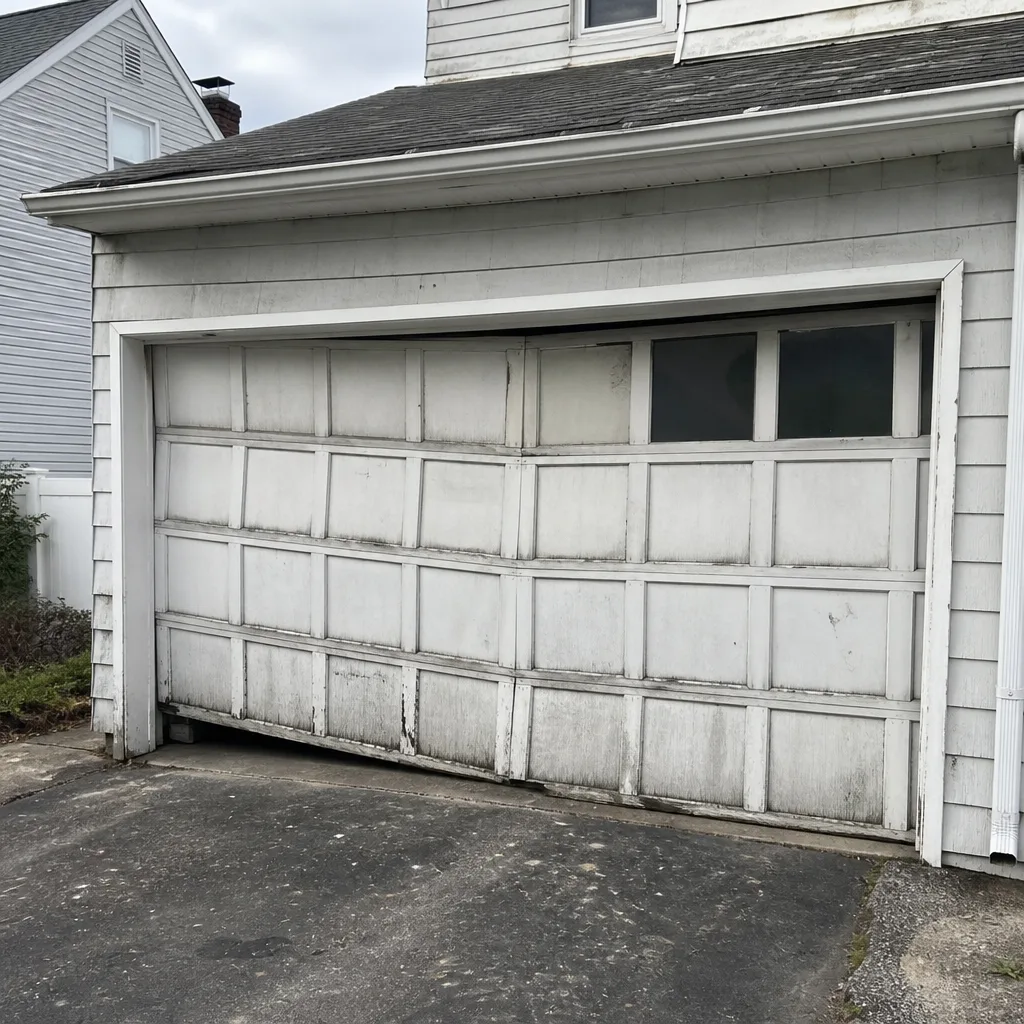 Before
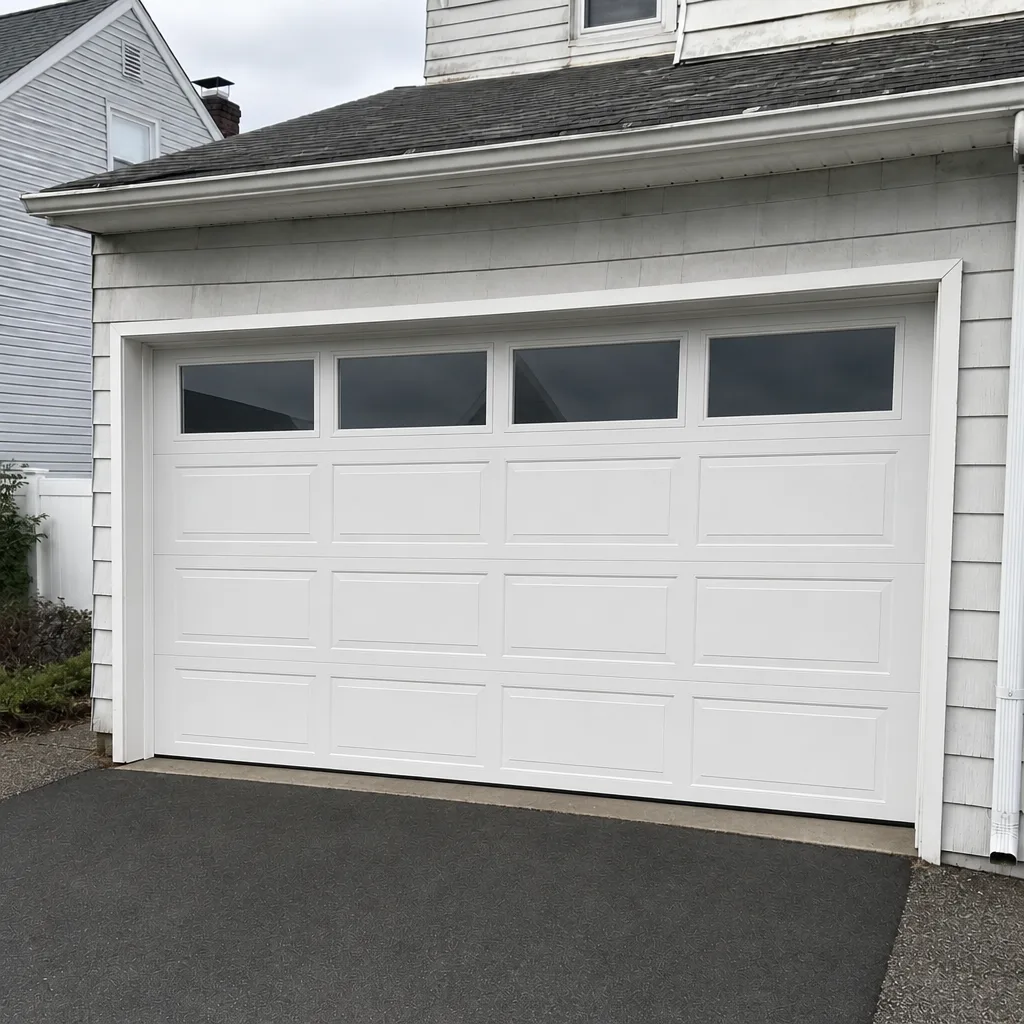 After
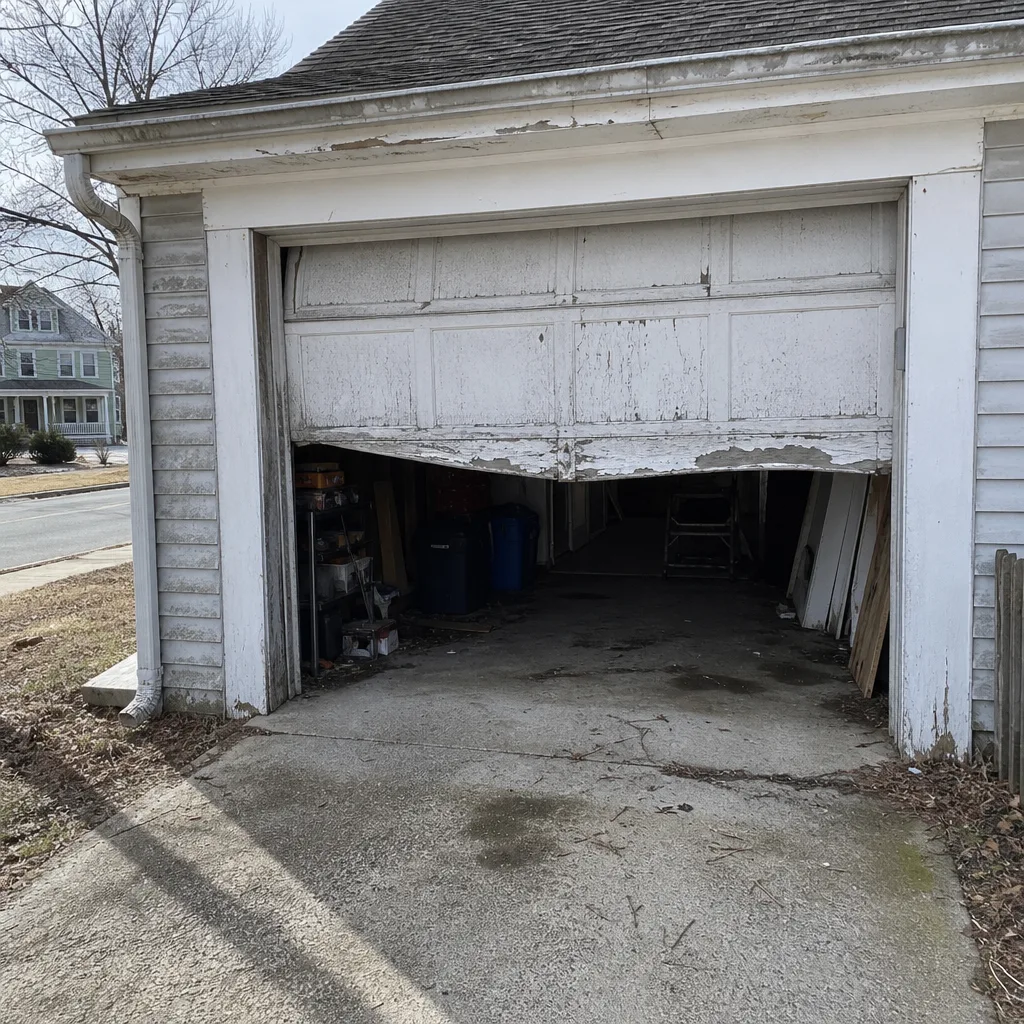 Before
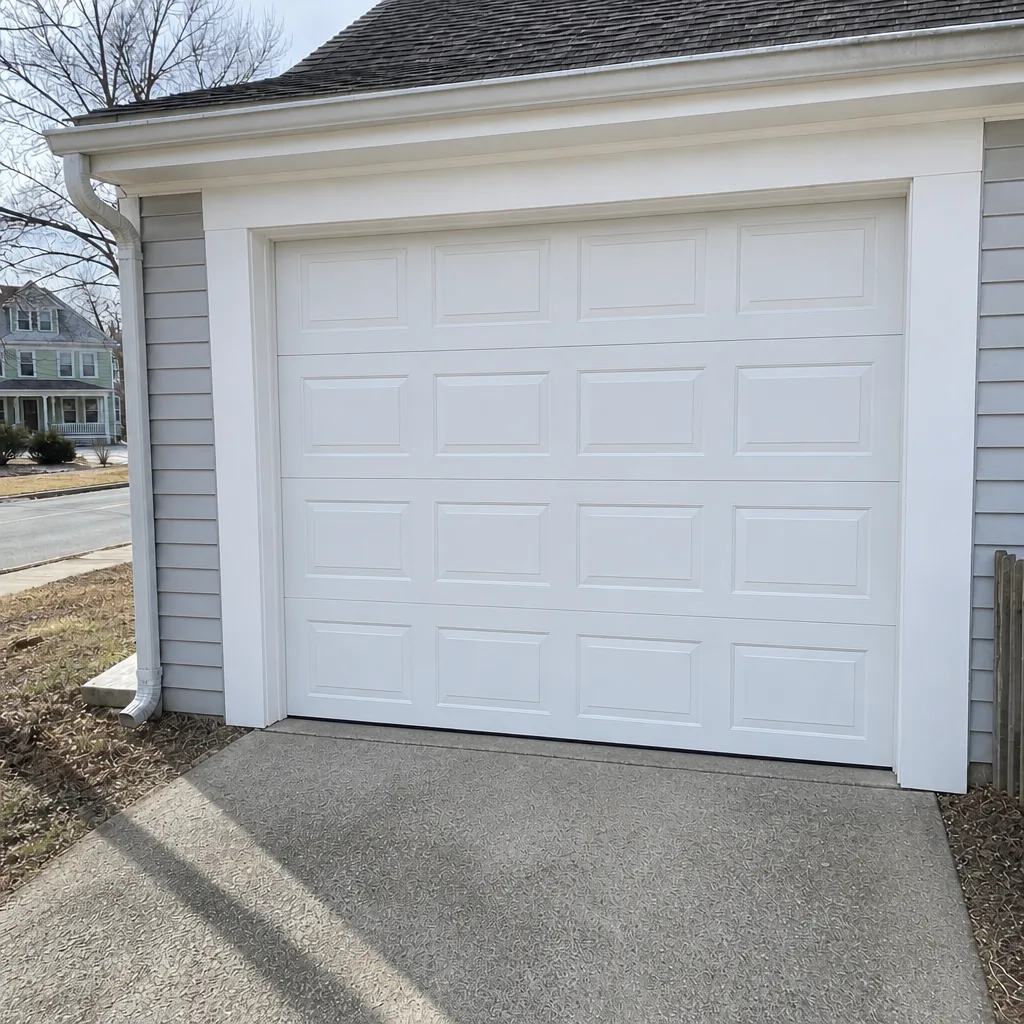 After
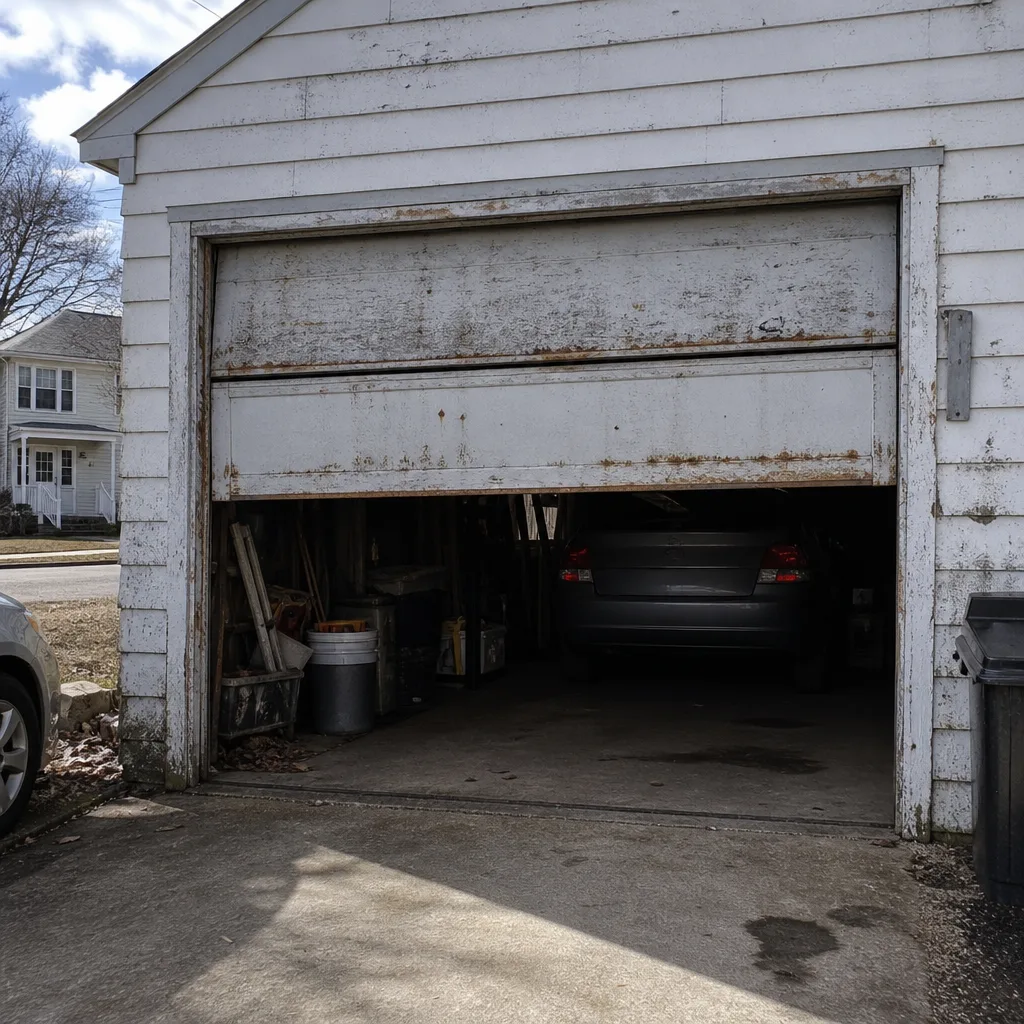 Before
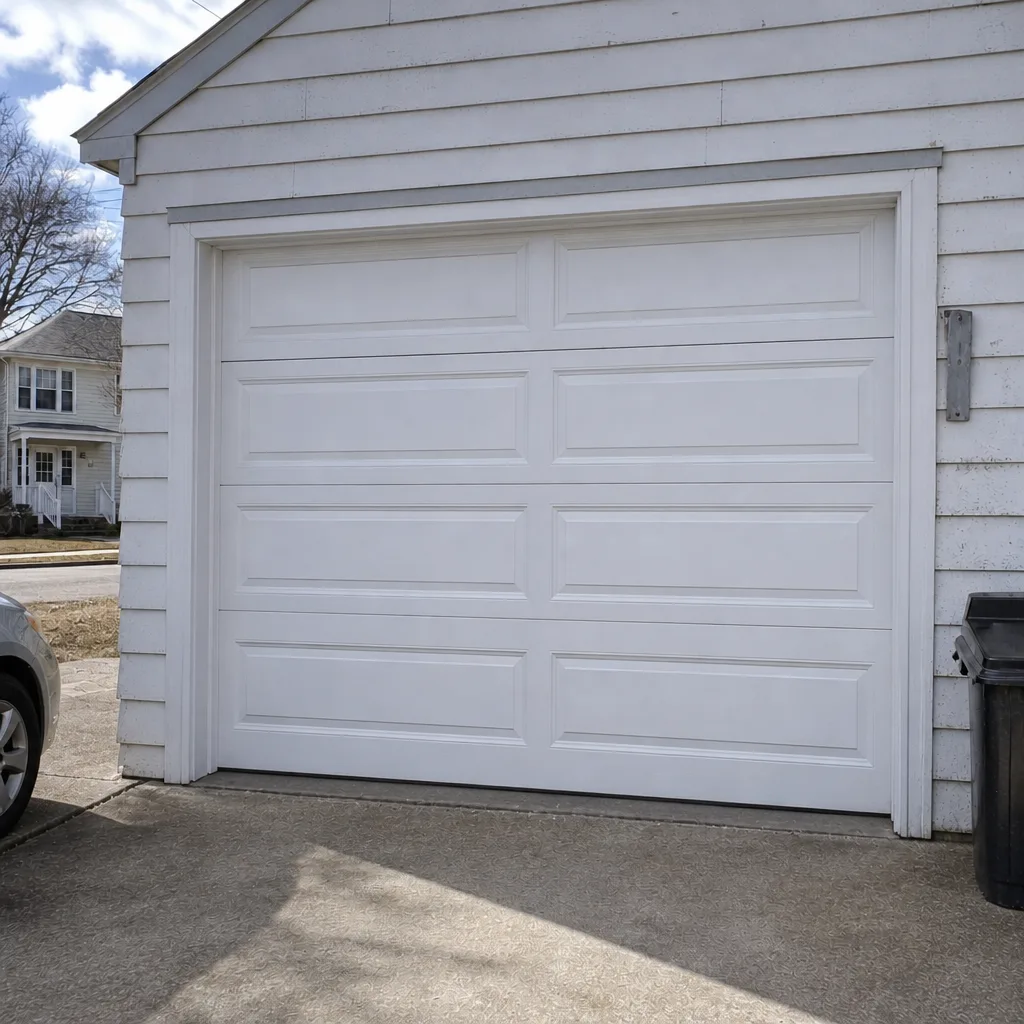 After
When to Call a Professional
Call a professional the moment you see a broken spring, a frayed cable, a door hanging crooked, or a door that won’t close all the way. These aren’t “watch and see” situations; they’re risks to your safety and your security. A door that won’t close is a security problem, not just a convenience one, and that’s why we offer emergency response for Fall River homes. If the door is stuck open or has come off its track, don’t force it; call and we’ll assess it. Fall River Garage Door Repair Co offers free estimates in Fall River; call (866) 819-6714 and we’ll get a technician out to look at it. Our technicians have up to 11 years of experience, and they work with eight major brands, so they’ll recognize your door’s hardware and get it diagnosed without guesswork.
Frequently Asked Questions
Twice a year: once in spring after the freeze-thaw season and once in fall before winter. Fall River’s humidity and road salt make a spring and fall routine more effective than a single annual check. If your door gets heavy use or you’ve noticed new noises, an extra mid-summer inspection of the rollers and lower panel is worthwhile.
You can apply a light coat of silicone spray to the outside of the spring surface, but you should never adjust or wind a spring yourself. The spring is under heavy tension and requires winding bars and training to work on safely. If your spring is broken or the door won’t balance, call a technician; that’s not a repair to attempt on your own.
Silicone-based spray for hinges and rollers, and white lithium grease for the opener rail. Both stay dry and don’t attract grit, which is the main problem in Fall River’s humid months. Avoid WD-40 and general-purpose oils; they leave a sticky residue that collects dust and road salt and speeds up wear.
Look for broken strands sticking out of the cable, deep kinks, or a cable that’s come off its drum. Check the area where the cable wraps around the top corner drum and the bottom bracket. Surface rust alone isn’t an emergency, but any broken strands or kinks mean you should stop using the door and call for service.
A basic service visit that covers inspection, lubrication, and adjustments typically starts in the low $100s in this market. Spring replacement runs around $180 – $340 for a single spring, and a matched pair is roughly double that. Everything is quoted and agreed before work starts, so the written estimate is what you pay.
No. Inspection, cleaning, lubrication, and testing the safety reverse are safe to do yourself. Anything involving spring tension, cable adjustment, or the bottom bracket should go to a trained technician. The dividing line is stored energy: if the part you’re working on holds the door’s weight, leave it to a professional.
The Bottom Line
The right maintenance routine for a Fall River garage door is different from a generic checklist, because you’re working against humidity and road salt, not just normal wear. Inspect springs and cables twice a year, lubricate with dry products that don’t attract grit, clean the salt residue off the lower door after winter, and test the safety reverse every spring and fall. Do the safe tasks yourself and leave the springs and cables to a technician. A door that’s inspected and cared for will last years longer than one that’s left alone, and catching wear early is the difference between a tune-up and an emergency call.
If your inspection turns up anything that needs a technician, or you’d rather have the pros handle the routine, call Fall River Garage Door Repair Co at (866) 819-6714 for a free estimate. We work on eight major brands, handle everything from springs to full door replacement, and we’ll give you a written price before any work begins.
Written by the team at Fall River Garage Door Repair Co.